Poker player contemplating a hand at a table

Why Patience Is the Most Underrated Skill in Poker

In poker, it’s easy to focus on flashy hands, aggressive bluffs, and high-stakes wins. But seasoned players know that one skill often separates amateurs from pros: patience. While skill, luck, and strategy matter, the ability to wait for the right moment is what truly defines consistent success at the table.

Here’s why patience is often the most underrated skill in poker.


1. Waiting for the Right Hands

One of the biggest mistakes beginners make is playing too many hands. Without patience, players risk losing chips on marginal cards.

  • Pros carefully select starting hands
  • They fold frequently, even when tempted to chase
  • Patience ensures energy and focus are reserved for high-value opportunities

Ultimately, waiting for premium hands increases long-term profitability.


2. Avoiding Tilt and Emotional Decisions

Poker isn’t just a game of cards—it’s a game of mental control. Impatience can lead to frustration, or “tilt,” which causes reckless plays.

  • Patient players take breaks when needed
  • They avoid chasing losses or forcing bluffs
  • Emotions stay in check, allowing rational decision-making

Patience protects your bankroll and your strategic edge.


3. Reading Opponents Takes Time

Understanding your opponents requires observation and experience. Patient players:

  • Watch betting patterns and timing
  • Look for physical tells in live games or behavioral cues online
  • Wait for the right moment to exploit weaknesses

Rushing this process often results in missed opportunities and poor reads.


4. Mastering Timing in Bluffs

Bluffing isn’t about frequency—it’s about timing. A patient player knows:

  • When the table is ripe for a bluff
  • When to fold instead of forcing an unnecessary play
  • How to build the right story through betting sequences

Patience ensures that bluffs are strategic and convincing, not desperate.


5. Patience Builds Long-Term Success

Poker is a marathon, not a sprint. While luck can win a hand or two, consistent patience leads to:

  • Better decision-making
  • Increased chip preservation
  • A more calculated and profitable game style

Over time, patient players outlast impulsive competitors, maximizing gains and minimizing losses.


Conclusion

While aggression, strategy, and luck get most of the attention in poker, patience is the silent skill that underpins them all. Waiting for the right hands, reading opponents, controlling emotions, and timing bluffs are all part of a patient approach.

For any player looking to improve their game, mastering patience isn’t optional—it’s essential. In poker, the real winners are often those who can wait for the perfect moment to strike.

Poker player analyzing betting patterns on a table with cards and chips

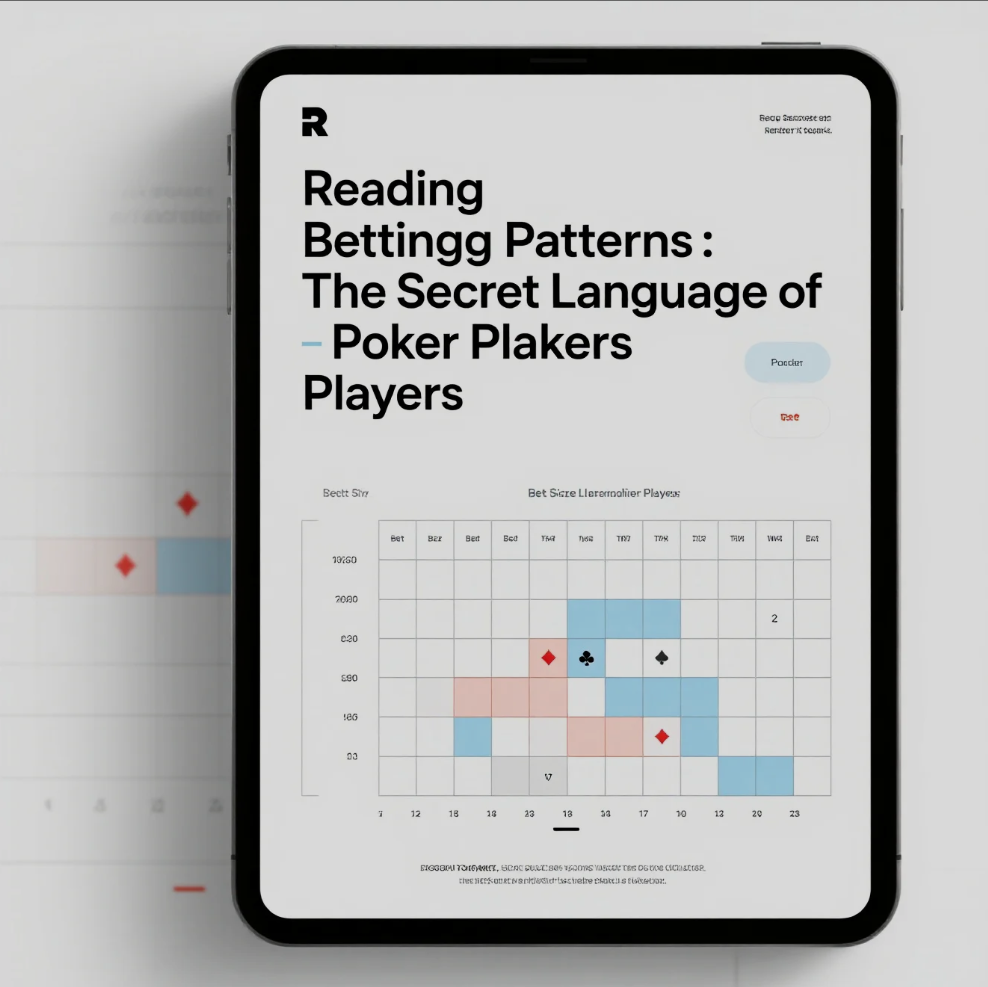
Reading Betting Patterns: The Secret Language of Poker Players

Poker isn’t just a game of cards—it’s a game of observation, strategy, and psychology. Beyond the obvious moves, the way a player bets reveals clues about their hand, intentions, and even personality. Reading betting patterns is like learning a secret language, giving observant players a distinct advantage at the table.

Here’s how to decode these subtle signals and improve your poker strategy.


1. Understanding the Basics of Betting Patterns

Every poker player has tendencies—some predictable, some deceptive. Betting patterns include:

  • Consistent bet sizes for certain hands
  • Frequent raises or checks in specific situations
  • Timing tells: how quickly or slowly a bet is made
  • Position-based behavior: early vs. late position betting

Recognizing these patterns helps you anticipate opponents’ moves and make informed decisions.


2. The Significance of Bet Size

Bet size often reflects confidence or caution:

  • Small bets can indicate a weak hand, an attempt to see more cards cheaply, or a trap for aggressive opponents.
  • Large bets might show strength—or a bluff designed to intimidate.

Compare how a player usually bets with how they bet in a given situation; deviations often tell a story.


3. Timing Tells: More Than Just Speed

The speed of a player’s action is a subtle but powerful clue:

  • Instant bets: Could indicate a pre-planned or confident move.
  • Long pauses: May suggest uncertainty or contemplation of a bluff.
  • Pattern breaks: A sudden change in timing can be intentional misdirection.

Observing these timing cues over multiple hands helps build a behavioral profile.


4. Patterns Across Different Positions

Position matters in poker, and betting behavior often changes depending on where a player sits:

  • Early position: Typically more conservative; only strong hands are played aggressively.
  • Late position: Players can afford more speculative or deceptive moves.
  • Blind positions: Players may defend with weaker hands, creating unique patterns.

Tracking how a player acts in each position adds depth to your understanding of their tendencies.


5. Identifying Bluffs Through Betting Trends

Bluffs often leave patterns behind, even subtle ones:

  • Overly aggressive betting after a passive streak
  • Sudden raises without the usual setup
  • Repeating bets that seem inconsistent with prior behavior

Learning these cues lets you call or avoid bluffs strategically, minimizing losses and maximizing gains.


6. Using Betting Patterns to Your Advantage

Once you can read patterns reliably:

  • Adjust your own strategy to exploit opponents’ tendencies
  • Decide when to fold, call, or raise with better precision
  • Predict future bets and control the table dynamics

Combining observation with intuition makes betting pattern reading a powerful skill.


7. Practice Makes Perfect

Like all poker skills, reading betting patterns requires practice:

  • Watch experienced players in action (live or online)
  • Take notes on tendencies over multiple sessions
  • Analyze your own patterns to avoid giving away clues

The more hands you observe, the sharper your “poker language” becomes.


Conclusion

Poker is a game of information—and betting patterns are one of the richest sources of intel at the table. By learning to read these subtle signals, you gain insight into opponents’ strategies, uncover bluffs, and make more confident decisions.

Mastering this secret language transforms a game of chance into a game of skill, strategy, and psychological finesse.

Small vs High Stakes Poker Table – Strategy & Skill

Small Stakes vs High Stakes: Proven Strategies for Every Level | Casino & Poker Insights

In the world of poker and casino gaming, one rule always holds true — your strategy should match your stakes.
Whether you’re grinding small tables or taking shots at the high-stakes arena, the way you play, think, and manage risk can make or break your success.

Let’s break down what separates small stakes from high stakes — and how you can win at both.


♣️ 1. Understanding the Stakes Spectrum

“Stakes” simply refer to how much money is on the line.

  • Small stakes games attract casual players, offering lower buy-ins and softer competition.
  • High stakes tables involve seasoned pros, larger pots, and higher pressure.

But the difference goes beyond just money — it’s about mentality.
Each level demands a different balance of patience, aggression, and discipline.


💡 2. Small Stakes Strategy: Play Smart, Stay Disciplined

At lower levels, most players make predictable mistakes — calling too often, bluffing too little, or chasing bad hands.
That’s your advantage.

Key Tips for Small Stakes Players:

  • Play tight and aggressive. Choose strong hands and raise them confidently.
  • Exploit common leaks. Target players who call too much or chase draws.
  • Stay patient. Don’t get tilted by small wins or losses — volume builds profit.
  • Focus on fundamentals. Positional play and bankroll management matter more than fancy bluffs.

Mindset: Consistency beats creativity at this level. You win by avoiding errors others make.


🔥 3. High Stakes Strategy: Master Psychology and Pressure

When you move up, everything changes — opponents get sharper, pots grow, and reads matter more than raw math.
Here, psychological warfare becomes part of the game.

Key Tips for High Stakes Players:

  • Balance your range. Mix up your play so you’re unpredictable.
  • Read the player, not the cards. Look for timing tells, betting patterns, and emotional shifts.
  • Control your image. How you’re perceived can influence others’ moves.
  • Stay emotionally detached. Big pots can cloud judgment — always think long-term EV (expected value).

Mindset: It’s not just poker — it’s mental chess played with money.


💰 4. Bankroll Management for Every Level

Your bankroll is your safety net — protect it.

  • For small stakes, keep at least 20–30 buy-ins for your limit.
  • For high stakes, aim for 50+ buy-ins, since variance hits harder.
    Avoid chasing losses or moving up stakes too quickly — growth is gradual, not impulsive.

Pro Insight: Downswings happen even to pros. Discipline, not luck, determines survival.


🎯 5. When to Move Up (or Down)

Knowing when to change stakes is as strategic as any hand you play.
Move up when you’re consistently beating your current games and have a stable bankroll.
Move down if you’re on a downswing or mentally drained — there’s no shame in resetting.

Remember, poker and gaming are marathons, not sprints.


🏆 Final Hand: The Smart Player Adapts

At the end of the day, it’s not about how high the stakes are — it’s how well you adapt to them.
Master your fundamentals at small stakes, sharpen your instincts at high stakes, and never stop learning.

Because true skill isn’t in the size of the pot — it’s in the decisions you make with every chip.