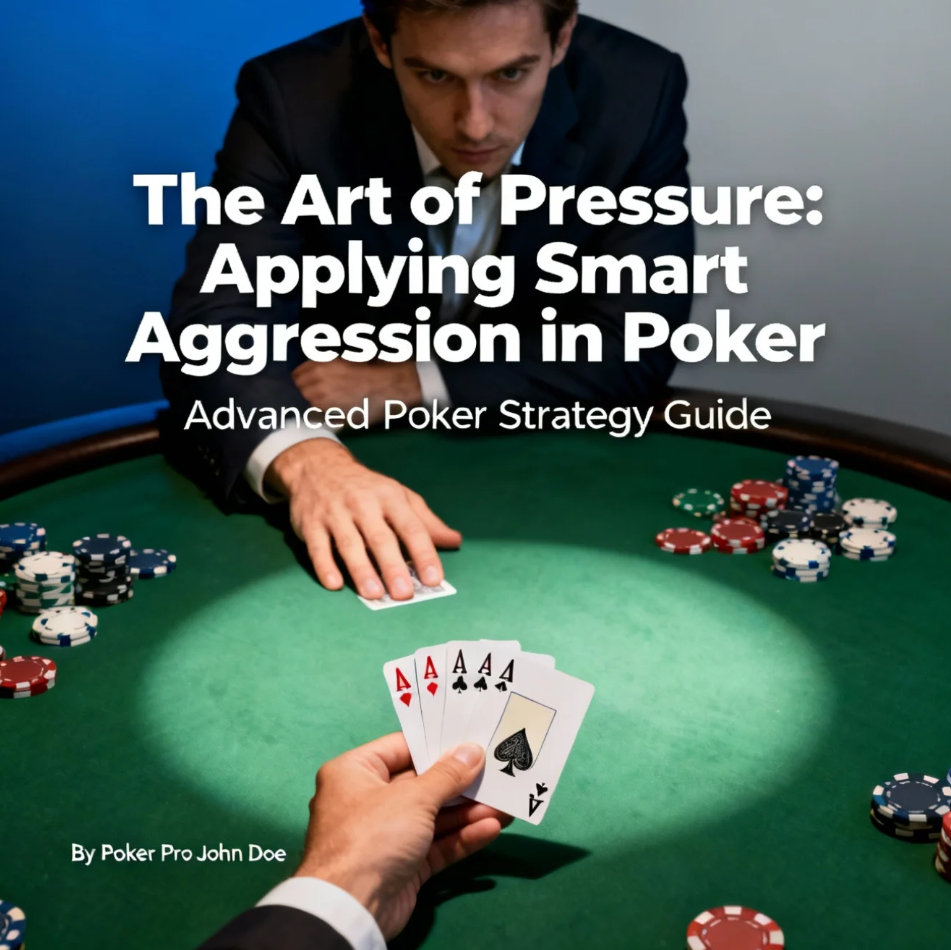

In poker, success isn’t just about the cards you hold—it’s about how you play them. Smart aggression in poker is the strategy of applying pressure at the right time, forcing opponents into mistakes while protecting your own position. Unlike reckless play, smart aggression is deliberate, controlled, and calculated, giving you a competitive edge at the table.
What Is Smart Aggression?
Smart aggression is more than betting big or bluffing often—it’s a thoughtful approach to influencing opponents’ decisions. By strategically increasing bets and raising at critical moments, you can dictate the pace of the game, make opponents uncomfortable, and capitalize on opportunities when they hesitate or fold.
Key Principles of Applying Pressure
- Timing Is Everything: Know when to apply pressure and when to play cautiously.
- Position Matters: Aggression is most effective from late positions where you can see how others act first.
- Reading Opponents: Observe betting patterns, body language, and tendencies to maximize impact.
- Controlled Risk: Aggression should be calculated, not reckless; overextending can backfire.
Benefits of Smart Aggression
- Forces Mistakes: Opponents may fold strong hands or make impulsive calls.
- Builds Table Image: Establishing a reputation as a strong, aggressive player can intimidate opponents.
- Maximizes Value: Strong hands played aggressively extract higher pots.
- Psychological Edge: Consistent pressure can shift the mental game in your favor.
Integrating Smart Aggression Into Your Game
- Start with small, consistent raises to test opponents.
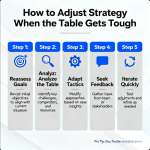
- Observe reactions carefully—adapt your aggression style based on their tendencies.
- Combine aggression with selective bluffs to keep opponents guessing.
- Avoid predictability; smart aggression is fluid and responsive, not robotic.
Conclusion
Mastering smart aggression in poker isn’t about overpowering every hand—it’s about strategic pressure, psychological insight, and precise timing. Players who can apply this art effectively gain control of the table, induce mistakes, and turn potential hands into winning opportunities.