Tarot cards and mystical symbols representing the empowering journey of inner growth with Arcane Fortune

From Fortune-Telling to Enlightenment How Arcane Fortune Empowers Inner Growth

Arcane Fortune is more than just a mystical tool — it’s a journey of self-discovery and personal insight. By combining the ancient arts of fortune-telling, symbolism, and reflection, Arcane Fortune offers a path toward inner growth, helping individuals better understand themselves and the choices that shape their lives.

1. The Roots of Arcane Fortune

Arcane Fortune draws inspiration from centuries-old practices like tarot, numerology, and omens, connecting individuals to timeless wisdom. By interpreting symbols and patterns, users gain guidance that can illuminate personal challenges, decisions, and life paths.


2. Moving Beyond Prediction

While fortune-telling often focuses on what may happen, Arcane Fortune emphasizes self-reflection and empowerment. Insights gained from readings encourage individuals to take conscious actions, fostering clarity, confidence, and purposeful decision-making.


3. Symbolism as a Mirror for the Soul

Each card, sign, or symbol acts as a mirror, reflecting internal states, potential, and areas of growth. This symbolic language helps users recognize patterns in their behavior and mindset, guiding them toward self-awareness and transformation.


4. Rituals and Reflection for Daily Growth

Arcane Fortune encourages small daily practices — journaling insights, meditative reflection, or mindful intention-setting — transforming mystical guidance into practical tools for personal development.


5. A Bridge Between Mystery and Mindfulness

By merging ancient mystical traditions with modern mindfulness practices, Arcane Fortune allows users to explore spiritual curiosity while nurturing mental clarity. The experience fosters a deeper connection to both the self and the surrounding world.


The Takeaway

Arcane Fortune is not just about predicting the future — it’s a guide to enlightenment, offering tools and insights that promote inner growth, self-awareness, and conscious living. By embracing its wisdom, users can navigate life with greater clarity, intention, and confidence.

Learn essential poker terms to master strategy and gameplay.

Speak Like a Pro Poker Terms Every Player Should Master

Poker is more than luck—it’s a game of skill, strategy, and communication. Mastering poker terminology is essential for understanding gameplay, making informed decisions, and confidently interacting at the table.

Key Poker Terms Every Player Should Know

  1. Blinds – Mandatory bets placed by players to the left of the dealer to start the betting round.
  2. Flop – The first three community cards dealt face-up in Texas Hold’em.
  3. Turn – The fourth community card dealt in the game.
  4. River – The fifth and final community card in Texas Hold’em.
  5. All-In – When a player bets all their remaining chips on a single hand.
  6. Call – Matching the current bet made by another player.
  7. Raise – Increasing the current bet during a betting round.
  8. Fold – Discarding your hand and forfeiting the round.
  9. Pot – The total amount of chips or money being contested in a hand.
  10. Showdown – Revealing hands at the end of the betting rounds to determine the winner.

Why Learning Poker Terms Matters

  • Improved Strategy: Knowing terms allows better decision-making and reading opponents.
  • Confidence at the Table: Speak confidently and avoid confusion during live or online games.
  • Understanding Game Mechanics: Essential for both casual and competitive play.

Final Thoughts

Whether you’re playing for fun or professionally, mastering poker terms is the first step to speaking, thinking, and playing like a pro. Knowledge gives you an edge and enhances every game experience.

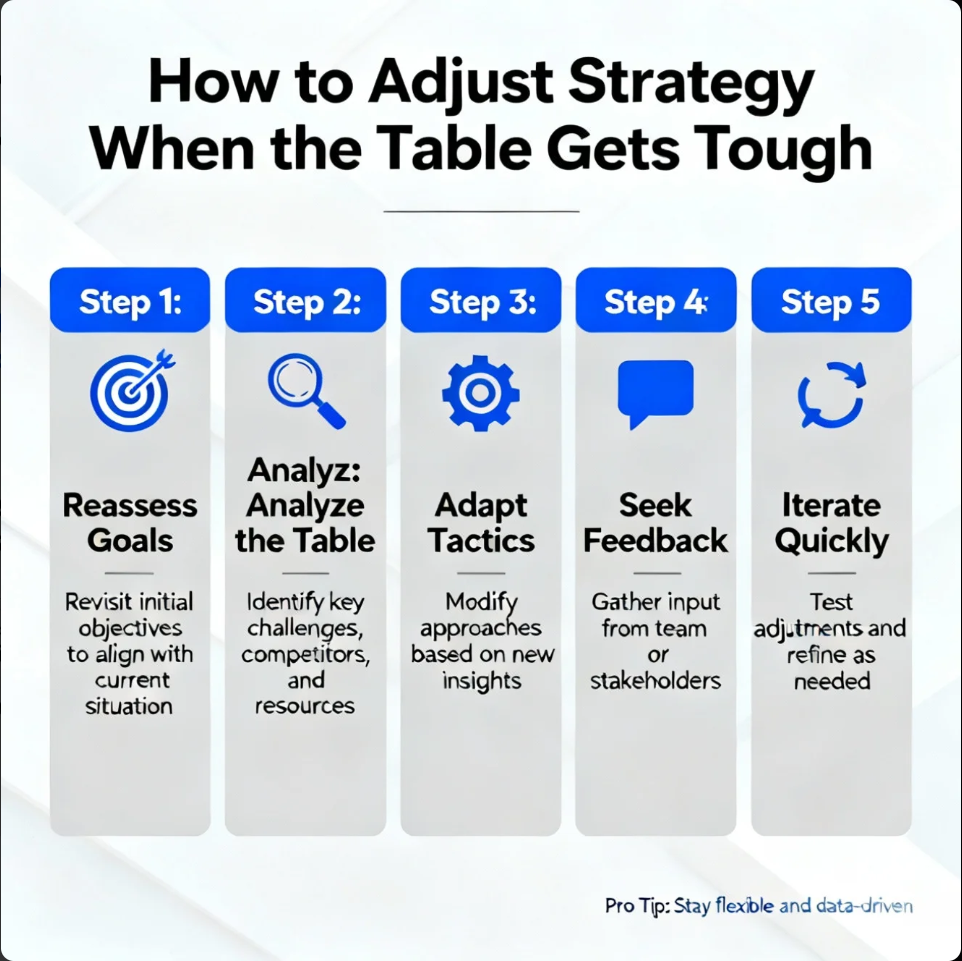
Table positions in poker affecting strategy and decision-making.

Why Table Position Can Make or Break Your Poker Game

In poker, skill isn’t just about the cards you’re dealt—it’s also about where you sit. Table position is one of the most overlooked yet influential factors in winning consistently. Understanding position can drastically improve decision-making, bluffing opportunities, and overall strategy.

Early Position: The Pressure Point

Sitting in early position means you act first after the blinds. While it allows you to see how others react to bets in later streets, it also comes with pressure: you have less information about opponents’ hands, making cautious and selective play essential.


Middle Position: Balanced Opportunities

Middle position offers a balance between early and late positions. You gain some insight into other players’ strategies while maintaining enough freedom to make strategic moves. This position is ideal for value bets and selective bluffs.


Late Position: The Power Seat

Late position, especially the dealer or cutoff seat, is often called the most advantageous spot at the table. Acting last gives you the most information about opponents’ intentions, allowing for aggressive strategies, well-timed bluffs, and better control over pot size.


Positional Strategy Tips

  • Adjust starting hands: Play tighter in early position and expand in late position.
  • Observe opponents: Use early positions to gather information for later decisions.
  • Leverage aggression: Take advantage of late position to pressure opponents into mistakes.
  • Manage bankroll risk: Avoid large bets from early positions without strong hands.

Final Thoughts

Table position is more than just a seating choice—it’s a strategic tool that can make or break your poker game. By understanding how early, middle, and late positions influence your decisions, you can maximize your edge, minimize risks, and increase your chances of winning over the long run.

Poker skill progression roadmap from rookie to shark with strategic gameplay

From Rookie to Shark Your Poker Skill Progression Roadmap

Poker isn’t just a game of luck—it’s a test of skill, strategy, and psychological insight. Whether you’re a complete beginner or looking to refine your skills, understanding how to progress systematically is essential. This roadmap will guide you from rookie to shark, ensuring steady improvement at every stage.

Stage 1: The Rookie Phase

Beginners focus on fundamentals:

  • Learning Hand Rankings: Know which hands win and how to play them.
  • Basic Strategies: Understand position, starting hands, and betting structures.
  • Bankroll Awareness: Start small and practice responsible money management.

Stage 2: The Competent Player

Once basics are mastered, refine your play:

  • Reading Opponents: Observe betting patterns and tendencies.
  • Pot Odds & Expected Value: Make informed decisions based on probability.
  • Table Selection: Choose games where you have an edge.

Stage 3: The Advanced Player

Advanced players incorporate strategic depth:

  • Bluffing & Semi-Bluffing: Use deception wisely.
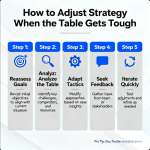
  • Adjusting to Opponents: Modify strategy based on player types.
  • Session Analysis: Review hands and decisions to identify leaks.

Stage 4: The Shark

At the highest level, poker is as much about mindset as skill:

  • Psychology Mastery: Maintain emotional control and exploit opponents’ weaknesses.
  • Multi-Table Expertise: Handle multiple games with strategy efficiency.
  • Long-Term Bankroll Growth: Focus on consistent wins and sustainability.

Final Thoughts

Progressing from rookie to shark in poker takes dedication, patience, and a willingness to learn. By following this roadmap, practicing regularly, and analyzing your play, you can sharpen your skills and approach the game with confidence and strategy.

Bankroll management tips for professional poker players

Bankroll Tips Manage Your Poker Funds Like a Professional

Managing your poker bankroll is just as important as mastering strategies and reading opponents. Proper bankroll management ensures you can weather losing streaks, stay in the game longer, and make smarter betting decisions.

Set a Dedicated Poker Bankroll

The first step is to separate your poker money from daily expenses. Treat your bankroll as a budget specifically for poker:

  • Only use funds you can afford to lose
  • Avoid dipping into personal savings for poker sessions
  • Keep records of deposits and withdrawals

Play Within Your Limits

Professional players never risk too much in a single game. Use guidelines like:

  • Cash Games: Only bet 1–5% of your bankroll at a table
  • Tournaments: Buy-ins should not exceed 1–2% of your total bankroll
    This protects you from major losses and allows you to play longer with less stress.

Track Wins and Losses

Keeping a detailed log of your results helps you understand your performance over time:

  • Identify profitable games and stakes
  • Spot patterns in losses and adjust strategies
  • Measure progress and set realistic goals

Adjust to Variance

Poker has natural ups and downs. Smart bankroll management accounts for swings:

  • Avoid chasing losses during bad streaks
  • Reduce stakes if your bankroll drops significantly
  • Increase stakes only when your bankroll comfortably supports it

Use Bonuses and Rewards Wisely

Many online poker platforms offer bonuses, freerolls, or loyalty programs. Take advantage of these perks to extend your bankroll, but read the terms carefully to ensure you maximize value.


Final Thoughts

Managing your poker bankroll like a professional is about discipline, strategy, and patience. By setting limits, tracking performance, and adjusting to variance, you can protect your funds and improve long-term success while enjoying the game.

Cash games versus poker tournaments: choosing the right poker format

Cash Games or Tournaments? Choosing the Right Poker Format

Poker players often face the choice between cash games and tournaments—two formats that require different strategies, mindsets, and risk tolerance. Understanding the key differences helps players select the format that best fits their goals and playing style.


💵 Cash Games: Flexibility and Consistency

Cash games are poker sessions where each chip has a real monetary value. Players can join or leave the table at any time, making it a flexible option for both beginners and experienced players.

Key Characteristics:

  • Buy-ins: Typically fixed or adjustable, depending on the table.
  • Blinds: Remain constant, allowing steady gameplay.
  • Strategy: Focus on chip accumulation and minimizing losses.
  • Payout: You can cash out at any time.

Cash games are ideal for players seeking consistent play and lower variance, as they don’t rely on survival through multiple rounds.


🏆 Tournaments: High Stakes and Big Rewards

Poker tournaments gather players to compete for a fixed prize pool. Unlike cash games, players start with equal chips and compete until one player or team wins the pot.

Key Characteristics:

  • Buy-ins: Fixed entry fee contributing to the prize pool.
  • Blinds: Gradually increase, creating pressure and faster-paced play.
  • Strategy: Focus on survival, chip accumulation, and timing of risks.
  • Payout: Only top finishers earn prizes, often structured by position.

Tournaments are perfect for those seeking high-risk, high-reward excitement and enjoy navigating strategic pressure situations.


⚖️ Choosing the Right Format for You

  • New Players: Cash games allow more practice with lower pressure.
  • Competitive Players: Tournaments offer the thrill of big wins and structured competition.
  • Bankroll Considerations: Cash games provide flexible risk management, while tournaments require endurance and strategic planning.
  • Personal Preference: Some players enjoy long-term steady play, others thrive in adrenaline-filled elimination rounds.

✨ Finding Your Poker Sweet Spot

The choice between cash games and tournaments comes down to personal goals, risk appetite, and style of play. Many players mix both formats, enjoying the steady learning of cash games and the high-stakes thrill of tournaments. Understanding the nuances ensures a more enjoyable and rewarding poker experience.
Reading tells in online poker using psychology and digital behavior patterns

Reading Tells in the Digital Age: Psychology for Online Poker

Poker has always been a game of strategy, intuition, and psychology. In the era of online poker, the traditional “tells” — physical gestures and subtle movements — are replaced by digital cues, timing patterns, and behavioral signals. Understanding these can give players a competitive edge and enhance decision-making.

⏱ Timing Tells and Bet Patterns

One of the most important tells in online poker is timing. How long a player takes to make a move can indicate confidence, hesitation, or bluffing. Consistently fast or slow bets can reveal patterns. Similarly, bet sizing—whether a player suddenly increases or decreases their bet—can provide psychological insight into their strategy.


🖥 Digital Behavior Analysis

Online players also leave “digital footprints”:

  • Chat behavior: Messages may reveal emotions or bluffing tendencies.
  • Multi-tabling patterns: Playing multiple tables can indicate experience level.
  • Frequent breaks or session times: These can hint at risk tolerance and stamina.

Understanding these cues requires careful observation and psychological analysis.


🧠 Mindset and Self-Reflection

Reading tells isn’t just about opponents; it’s also about self-awareness. Maintaining a calm, focused mindset helps avoid giving away your own tells. Regular reflection on your play, emotions, and responses improves your ability to read others while controlling your own digital behavior.


🎯 Tips for Applying Psychology in Online Poker

  1. Observe bet timing and changes in patterns carefully.
  2. Take note of repeated digital behaviors over multiple sessions.
  3. Stay patient and avoid reactive decisions based on emotions.
  4. Practice reading online tells while maintaining your own consistent habits.

✨ The Digital Poker Edge

Online poker may lack physical cues, but psychology remains a powerful tool. By mastering digital tells, timing patterns, and behavioral insights, players can gain a significant edge and make smarter, more strategic decisions at the table.

Professional poker players competing in a high-stakes tournament

Meet the Elite: The Best Poker Players Dominating in 2025

The world of professional poker is constantly evolving, and 2025 is no exception. From tournament champions to online legends, certain players have risen above the rest. Here’s a look at the elite poker players who are setting the standard this year.

1. Understanding What Makes a Top Poker Player
Skill, discipline, and strategy are the foundations of elite poker. The best players combine psychological insight, probability mastery, and adaptability to dominate both live tournaments and online platforms.


2. Rising Stars of 2025
This year has seen several new faces making waves in the poker world. Young prodigies are leveraging online platforms to hone their skills, taking on seasoned veterans in high-stakes games, and often coming out on top.


3. Legendary Veterans Still in the Game
Experience matters. Many established players continue to perform exceptionally, showing that years of study, tournament experience, and reading opponents remain invaluable in 2025. Their consistent performance inspires both fans and aspiring players.


4. Strategies That Set Them Apart
Elite players share a few common strategies:

  • Mastering the art of bluffing without overdoing it
  • Reading opponents’ tells and betting patterns
  • Managing bankrolls wisely
  • Staying calm under pressure

5. Tournaments to Watch
The World Series of Poker (WSOP), European Poker Tour (EPT), and major online tournaments remain the stages where top talent shines. Keeping an eye on these events is essential for anyone following the poker elite in 2025.


Conclusion
The poker landscape in 2025 is a mix of seasoned professionals and rising stars, all showcasing extraordinary talent and strategic brilliance. Following these elite players provides insight, inspiration, and a glimpse into the highest levels of poker mastery.

Iconic poker hand on a casino table with chips and cards

Legendary Poker Hands: Iconic Moments from the Felt

Poker is more than a game of cards—it’s a theater of strategy, risk, and unforgettable moments. Over the decades, countless poker hands have gone down in history for their drama, audacity, and impact on the game. From daring bluffs to perfect reads, these legendary hands have inspired players and captivated fans worldwide.


In this article, we’ll explore some of the most iconic poker hands ever played, the stories behind them, and why they continue to resonate in the poker community.

🎲 The 2003 WSOP: Chris Moneymaker’s Final Hand

One of the most famous hands in modern poker history occurred during the 2003 World Series of Poker (WSOP):

  • The Moment: Chris Moneymaker, an amateur player, faced seasoned pro Sammy Farha in the Main Event final.
  • The Hand: Moneymaker held King of Hearts and Seven of Diamonds, while Farha had King of Diamonds and Queen of Diamonds.
  • The Outcome: Moneymaker’s bold bluff on the river forced Farha to fold, leading to a historic win.

This hand didn’t just crown a new champion—it sparked the “Moneymaker Effect”, inspiring millions to try online and live poker.


💥 The “Dead Man’s Hand”

The Dead Man’s Hand is a legendary concept in poker lore: two pairs, Aces and Eights, said to be held by Wild Bill Hickok when he was shot in 1876.

  • Historical Impact: It became one of the most famous poker hands in history, symbolizing both luck and tragedy.
  • Cultural Influence: The Dead Man’s Hand has influenced movies, books, and even modern poker terminology, making it an enduring icon.

🏆 Stu Ungar’s Perfect Play

Stu Ungar, considered one of the greatest poker players of all time, had numerous memorable hands:

  • The Moment: During the 1980s WSOP, Ungar showcased his unparalleled reading of opponents.
  • Notable Hand: Facing a full table, Ungar executed a precise bluff and value-bet sequence that left spectators and competitors stunned.
  • Legacy: Ungar’s hands continue to be studied by aspiring players seeking to master strategy and psychology at the table.

🎰 Online Poker Legends

With the rise of online poker, new legendary hands have emerged:

  • Massive Bluff Wins: Skilled players have executed high-stakes bluffs that made headlines on streaming platforms and poker forums.
  • All-In Miracles: Online tournaments have seen players survive improbable odds, turning small stacks into tournament victories.
  • Global Reach: These hands demonstrate that poker history is no longer limited to live events—the digital felt is now a stage for legends.

🔍 Why These Hands Matter

Legendary poker hands are more than entertaining stories—they are teaching moments:

  • Strategy Lessons: Understanding the reasoning behind a bluff, call, or fold can improve a player’s game.
  • Psychology in Play: Iconic hands highlight the importance of reading opponents and controlling emotions.
  • Cultural Significance: These hands connect players across generations, creating a shared poker heritage.

Conclusion

From Wild Bill Hickok’s Dead Man’s Hand to Chris Moneymaker’s audacious 2003 WSOP bluff, poker hands tell stories of risk, skill, and unforgettable drama. Whether played in historic casinos, modern tournaments, or online arenas, legendary hands continue to inspire players and fans worldwide. Studying these moments offers both entertainment and education, ensuring poker remains a game where every hand can be legendary.

Poker table with cards and probability charts for key odds

Poker Math Made Simple: Key Odds Every Player Must Know

Poker isn’t just about luck—it’s about strategy, calculation, and making the most informed decisions. Understanding poker math can drastically improve your game, helping you know when to bet, fold, or call. Whether you’re a beginner or an experienced player, mastering the odds gives you a competitive edge at the table.

🔹 Why Poker Math Matters

While intuition and psychology play roles in poker, numbers are your most reliable guide. Poker math helps players:

  • Calculate the likelihood of completing hands
  • Determine whether a bet or call is profitable
  • Understand the risk vs. reward of different moves

By applying basic math principles, players can reduce reliance on luck and increase consistent success.


🔹 Key Poker Odds Every Player Should Know

1. Starting Hand Probabilities

  • The chance of being dealt pocket aces (the best starting hand in Texas Hold’em) is 0.45% or about 1 in 221 hands.
  • Any pair occurs roughly 6% of the time, while suited connectors (like 7♥ 8♥) appear about 3.9%.

Knowing these odds helps you assess the strength of your starting hand and decide whether to play aggressively or fold.

2. Flop, Turn, and River Odds

  • Flop Odds: After your hole cards, the odds of hitting a specific card on the flop (like completing a flush draw) are approximately 11.8% per card needed.
  • Turn and River Odds: Odds improve slightly as more cards are revealed. For example, hitting a flush by the river from a four-card flush draw is about 35%.

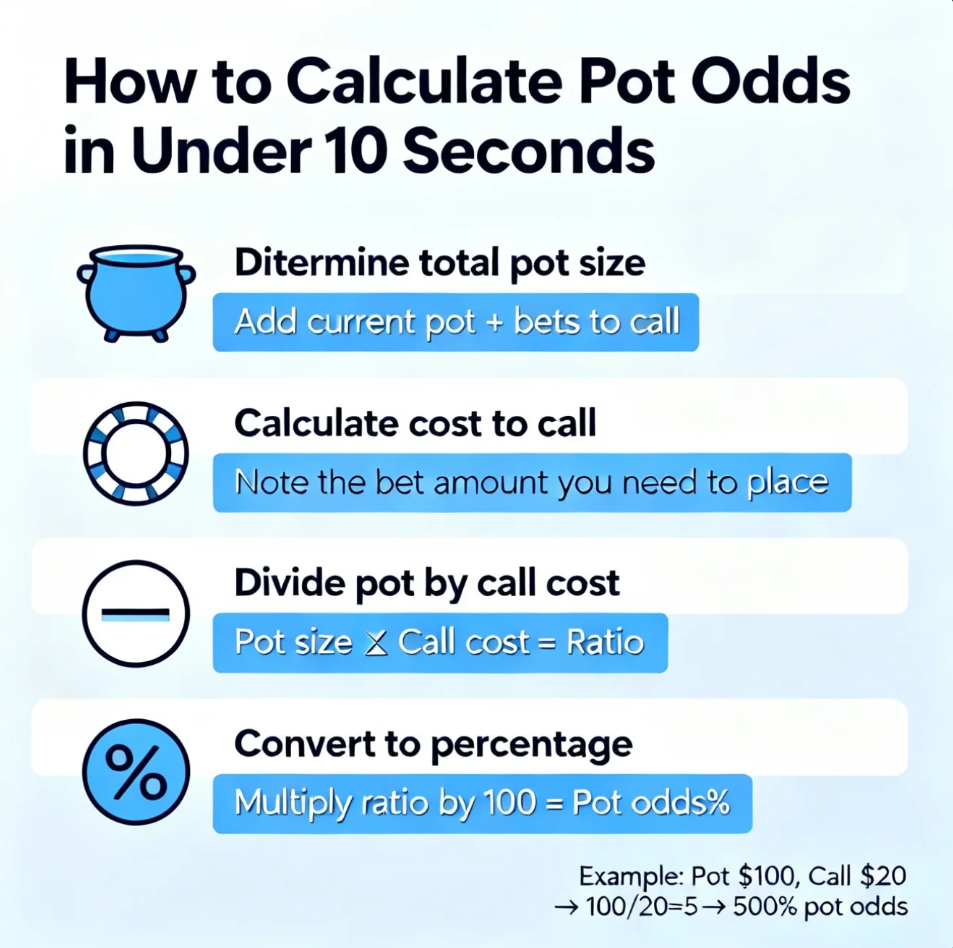
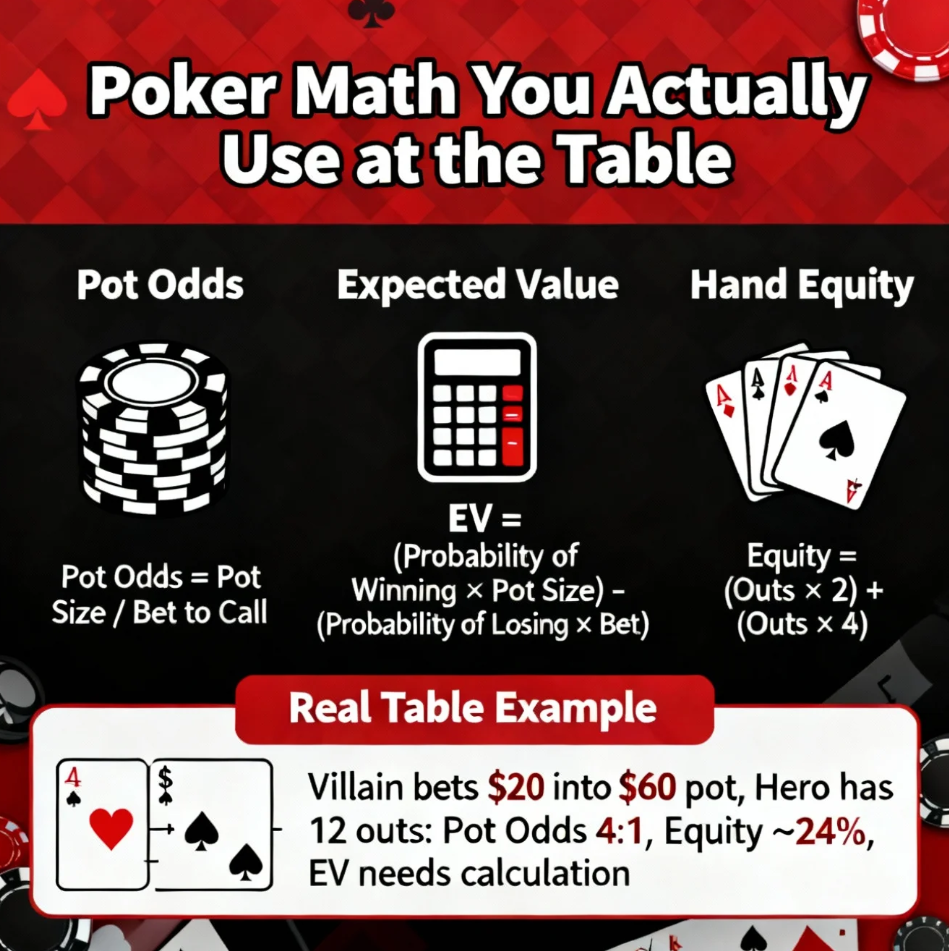
3. Pot Odds

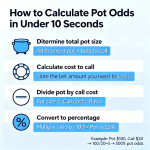
Pot odds compare the current size of the pot to the cost of a contemplated call.

  • Formula: Pot Odds = (Amount to Call) ÷ (Current Pot + Amount to Call)
  • If the chance of completing your hand is higher than the pot odds, it’s mathematically correct to call.

4. Implied Odds

Beyond current pot odds, implied odds consider the potential future winnings if your hand improves. This helps you evaluate long-term profitability, especially in multi-round games.

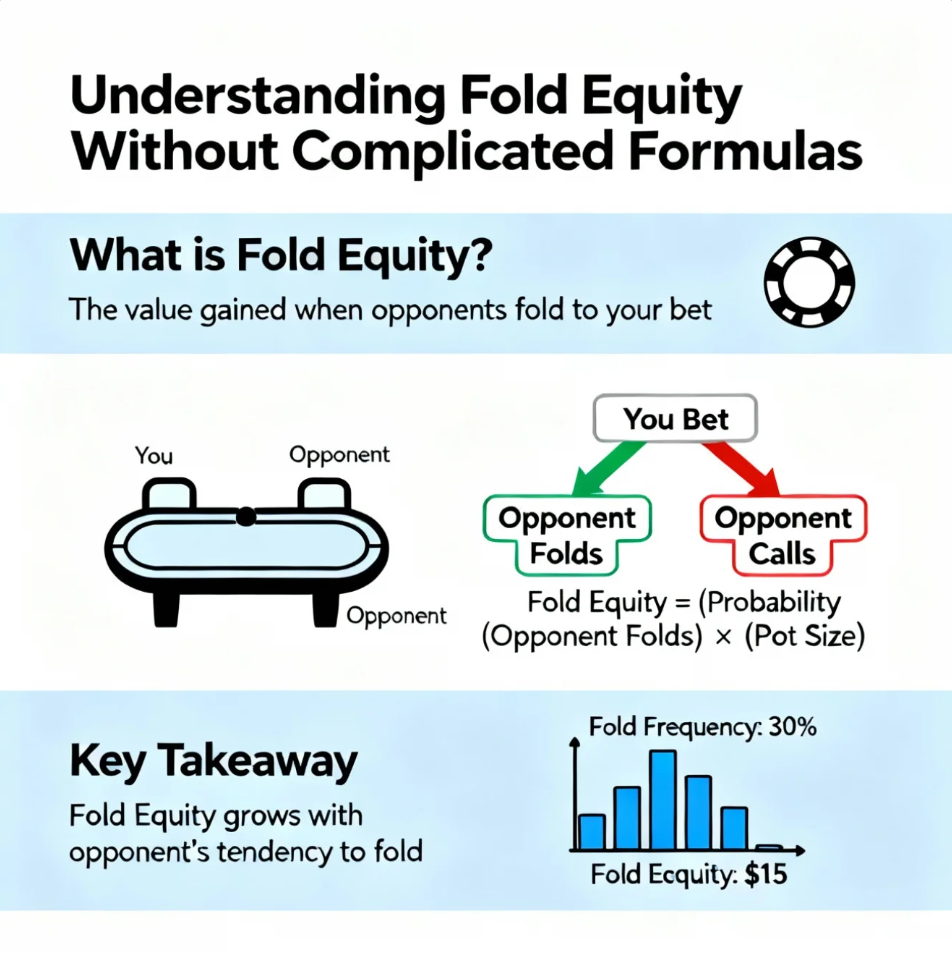
5. Expected Value (EV)

Expected value predicts how much you can expect to win or lose on average from a bet:

  • EV Positive = profitable play over time
  • EV Negative = play likely to lose money in the long run

Understanding EV allows players to make rational decisions rather than emotional ones.


🔹 Tips for Applying Poker Math

  1. Memorize Key Odds – Start with common probabilities like flush, straight, and full house odds.
  2. Use Mental Shortcuts – For example, the “Rule of 4 and 2” helps estimate your chance of hitting a draw: multiply outs by 4 (after flop) or 2 (after turn).
  3. Combine Odds with Strategy – Numbers are powerful, but reading opponents and betting patterns remains critical.
  4. Practice Consistently – Apply odds in small-stakes games to internalize calculations.
  5. Leverage Tools – Poker calculators and apps can reinforce learning until it becomes intuitive.

🔹 Why Understanding Poker Math Improves Your Game

Players who understand odds:

  • Make smarter betting decisions
  • Reduce unnecessary losses
  • Gain confidence in high-pressure situations
  • Can exploit weaker players who rely solely on luck

Poker math turns the game from a gamble into a calculated challenge, giving players a strategic advantage at every hand.