Poker player analyzing hand strategy during a multi-table tournament

Secrets to Winning Multi-Table Tournaments (MTTS)

Mulit Table Tournaments MTTS are the ulimate test of skill, patience and strategy in pokwer unlike cash games MTTS require playres to adapt to shifting dynamics, varying stack sizes and lng sessions.

Winning an MTT isn’t just about luck — it’s about understanding the subtle strategies that separate champions from the rest.


💡 1. Bankroll Management is Crucial

Before you even sit at the first table, your bankroll must be in order.

  • Avoid risking more than 1–2% of your total bankroll on a single MTT
  • Prepare for variance, as tournament swings are larger than cash games
  • Discipline ensures you can survive long enough to capitalize on skill advantages

A smart bankroll strategy keeps you in the game even during rough patches.


🔄 2. Adapt Your Play as Stacks Change

MTTs progress in stages — early, middle, and late. Each stage requires different approaches:

  • Early stage: Play tight-aggressive, avoid high-variance bluffs
  • Middle stage: Exploit weaker opponents, widen your range
  • Late stage: Steal blinds, pressure medium stacks, and adjust to pay jumps

Flexibility is key — rigid strategies rarely survive long tournaments.


🧠 3. Table Awareness and Opponent Reading

Winning players consistently observe opponents’ tendencies:

  • Identify loose versus tight players
  • Notice betting patterns and timing tells
  • Track stack sizes and position to exploit weaknesses

Reading the table accurately allows you to make profitable decisions that others overlook.


⚖️ 4. Managing Risk and Reward

MTTs often require calculated aggression:

  • Avoid marginal calls that could jeopardize your stack early
  • Target spots where the risk is low and the reward is high
  • Adjust your aggression based on pay structure and stack dynamics

Smart risk management separates good players from great ones.


⏱️ 5. Patience and Emotional Control

Long MTTs are mentally taxing. Staying calm and focused is vital:

  • Avoid tilt — bad beats are inevitable
  • Take breaks when needed to maintain clarity
  • Focus on making correct decisions rather than obsessing over results

A patient, disciplined mindset ensures consistency over long sessions.


🏆 6. Leverage Position and Table Dynamics

Position is a core principle in tournament poker:

  • Play more hands in late position where you can control the pot
  • Use aggressive plays in short-handed situations
  • Exploit players acting before you to dictate action

Understanding dynamics helps maximize every opportunity on the table.


💬 Conclusion: Skill, Strategy, and Patience

Winning Multi-Table Tournaments is about more than luck — it’s a combination of smart bankroll management, adaptive strategy, opponent awareness, and mental discipline.

By studying the game, observing opponents, and practicing patience, you can consistently improve your MTT results and turn tournament poker into a long-term winning endeavor.

Famous poker legends celebrating their wins at a poker table

Famous Poker Legends and Their Most Memorable Wins

Poker has long been more than just a game of cards — it’s a battle of skill, psychology, and nerve.

Some players have become legends, not only for their strategic brilliance but for the unforgettable moments they created on the felt.
These iconic wins have shaped the history of poker and inspired countless players around the globe.


🏆 1. Doyle Brunson – The Texas Tycoon

Known as the “Godfather of Poker,” Doyle Brunson dominated the tables for decades.
His most famous win? The 1976 World Series of Poker Main Event, where he claimed victory with his legendary 10-2 hand, now immortalized as the “Doyle Brunson hand.”
Brunson’s fearless play and storytelling made him a pioneer in professional poker strategy.


🃏 2. Phil Ivey – The Tiger Woods of Poker

Phil Ivey is often called the best all-around poker player in history.
His memorable wins span tournaments worldwide, but the 2002 World Poker Tour victory cemented his reputation.
Ivey’s skill at reading opponents and executing daring bluffs demonstrates why he remains a benchmark for excellence in the poker world.


🏆 3. Vanessa Selbst – Breaking Barriers

Vanessa Selbst became a poker icon by dominating a male-heavy field and winning multiple World Series of Poker bracelets.
Her most memorable moment came in 2014, winning the WPT Alpha8 Tournament with a remarkable combination of bold strategy and precision play.
Selbst’s wins highlight the power of skill, intelligence, and determination in modern poker.


🃏 4. Johnny Chan – The Oriental Express

Johnny Chan is legendary for his back-to-back 1987 and 1988 WSOP Main Event wins, famously depicted in the movie Rounders.
His calm demeanor and ability to read the table under pressure made him a master of tournament play.
Chan’s wins showcase the importance of patience, intuition, and timing in high-stakes poker.


🏆 5. Daniel Negreanu – Kid Poker

Daniel Negreanu, known as “Kid Poker,” has a charm and reading ability that is almost supernatural at the table.
His most memorable victories include six WSOP bracelets and two WPT titles, with the 2004 WSOP Main Event win standing out for his strategic brilliance.
Negreanu’s career exemplifies consistency, adaptability, and the art of psychological warfare in poker.


🌟 Why These Wins Matter

These legendary victories aren’t just about money — they’re about strategy, psychology, and timing.
Every iconic hand teaches players the importance of calculated risk, reading opponents, and staying calm under pressure.
Poker legends inspire both amateur and professional players, showing that mastery is a blend of skill, experience, and intuition.


Conclusion: The Legacy of Poker Legends

From Doyle Brunson’s historic 10-2 hand to Vanessa Selbst’s groundbreaking victories, poker legends leave an indelible mark on the game.
Their memorable wins continue to inspire new generations, reminding us that poker is as much about the mind as it is about the cards.
These stories celebrate courage, intelligence, and the timeless thrill of competition on the world’s biggest stages.

Poker player analyzing strategy against aggressive opponents

How to Adapt Your Strategy Against Aggressive Players

Aggressive players dominate the table with frequent raises, bluffs, and high-pressure tactics.
To succeed, you must recognize their patterns and adjust your gameplay accordingly.

Knowing when to call, fold, or raise is crucial to prevent being pushed off the table and to capitalize on their overextensions.


📊 1. Tighten Your Starting Hand Selection

Against aggressive players, only play hands with strong potential.
Focus on premium pairs, high-value connectors, and suited cards.
Playing tighter reduces losses from constant pressure while giving you opportunities to capitalize when the flop favors your hand.


💡 2. Use Positional Awareness

Position at the table is key.
Acting after aggressive players allows you to see their moves before committing chips.
From late position, you can exploit their tendencies and control the pot size more effectively, turning their aggression into an advantage.


🃏 3. Trap and Counter-Aggression

Aggressive players often overcommit when they sense weakness.
Use slow-playing or trapping techniques with strong hands to extract maximum value.
Occasionally re-raise or bluff selectively to remind them that aggression can be countered — disrupting their rhythm and confidence.


🪄 4. Focus on Pot Control

Don’t get caught in large pots unless you have strong holdings.
Against aggressive players, keeping the pot manageable reduces risk and allows you to navigate swings calmly.
Control over the pot helps you avoid unnecessary losses and forces the aggressive opponent to adjust their tactics.


📈 5. Psychological Resilience

Aggressive players can frustrate and pressure you into mistakes.
Maintain mental discipline: stay patient, avoid tilt, and make decisions based on logic, not emotion.
A clear mind allows you to exploit weaknesses and capitalize on over-aggression over time.


🏁 Conclusion: Turning Aggression into Opportunity

Adapting your strategy against aggressive players is about patience, awareness, and smart counterplays.
By tightening your hand selection, leveraging position, controlling pots, and maintaining psychological resilience, you can turn an aggressive opponent’s strengths into your advantages.
With practice, you’ll find that aggression becomes an opportunity rather than a threat — letting you dominate the table confidently.

Poker player using tracking software and analytics tools on laptop

Essential Tools and Software Every Online Poker Player Needs

Poker has evolved far beyond the green felt table.
In today’s digital world, online poker tools and software give players a competitive edge, allowing them to analyze, adapt, and improve their game like never before.

From tracking statistics to studying hands in detail, technology has become an essential part of the professional player’s toolkit.


💻 1. Poker Tracking Software

Tracking software is the foundation of every serious player’s strategy.
Programs like PokerTracker 4 and Hold’em Manager 3 record every hand you play, providing detailed stats such as:

  • Win rates
  • Aggression factors
  • Positional data
  • Opponent tendencies

By understanding your own patterns and spotting weaknesses in others, you can make data-driven decisions that improve long-term profitability.


📊 2. Heads-Up Display (HUD)

A HUD overlays real-time statistics on your poker table, showing valuable data such as:

  • How often opponents fold, call, or raise
  • Their betting frequency
  • Bluff percentages

This information helps you adjust your strategy instantly, reading your opponents with precision.
For competitive multi-tabling players, a HUD is an indispensable advantage.


🧠 3. Hand Analysis and Equity Calculators

Software like Equilab or PokerStove allows players to test hand ranges, calculate odds, and compare scenarios.
You can simulate specific situations and evaluate the mathematical strength of your hands, giving you confidence in tough decisions.
Regular analysis of past hands can transform guessing into calculated gameplay.


📚 4. Training Platforms and Solvers

Modern players rely on training tools and solvers such as PioSolver, GTO Wizard, or Run It Once.
These programs teach advanced strategies like Game Theory Optimal (GTO) play, helping you:

  • Balance bluffs and value bets
  • Understand opponent ranges
  • Practice difficult spots in real-time simulations

They’re perfect for anyone aiming to play at a professional or semi-pro level.


🔒 5. Security and Account Management Tools

Security is crucial for online poker players.
Use tools that protect your data, such as password managers, VPNs, and anti-malware software.
Reliable internet connections and two-factor authentication ensure that your focus remains on the game — not on risks or downtime.


⏱️ 6. Bankroll and Time Management Apps

Smart bankroll tracking tools like PokerBankrollTracker or Bankroll Management Pro help players stay disciplined.
They track wins, losses, and session duration to maintain healthy long-term habits.
Combined with productivity apps, they make poker both sustainable and profitable.


🌟 Conclusion: Playing Smarter, Not Harder

Online poker is no longer just about instinct — it’s about insight and information.
With the right tools and software, players can refine their strategies, manage their game efficiently, and stay ahead of the competition.

Whether you’re a beginner learning the ropes or a seasoned pro optimizing every decision, mastering these digital resources is the key to poker success in 2025 and beyond.

Poker players analyzing table dynamics and observing the flow of the game

The Impact of Table Dynamics: Reading the Flow of the Game

In casino games, winning isn’t just about cards, chips, or luck—it’s about reading the table. Table dynamics influence how players make decisions, when the action accelerates, and how strategies shift in real time.

Understanding these subtleties gives players a crucial advantage, allowing them to adapt, anticipate, and act with precision.

🔍 Observing the Flow

Table dynamics refer to the patterns, energy, and interactions among players. Observing the flow involves:

  • Pace of play: Are players cautious or aggressive?
  • Betting patterns: Who tends to bluff, fold, or raise consistently?
  • Psychological cues: Body language, timing, and table talk

These observations help you predict tendencies, adjust your strategy, and seize opportunities others might overlook.


🧠 Strategic Advantages

Recognizing the flow of the game allows you to:

  1. Exploit weaknesses: Spot overconfident or hesitant players
  2. Adjust timing: Know when to be patient or aggressive
  3. Maximize wins: Capitalize on streaks or slow the pace to control outcomes
  4. Minimize losses: Avoid unnecessary confrontations and reduce risk exposure

Players who master table dynamics are often more consistent in long-term performance.


🎯 Psychology at the Table

Beyond numbers and cards, table dynamics are heavily influenced by player psychology. Emotional swings, interpersonal tension, and confidence levels all shape the rhythm of the game.

Advanced players use this insight to read not just the cards, but the people—turning subtle cues into actionable intelligence.


🌟 Applying Table Dynamics Across Games

While commonly associated with poker, table dynamics apply to many casino games, including blackjack, baccarat, and roulette.
The key is adaptation: observing energy shifts, understanding tendencies, and responding strategically, whether in high-stakes tournaments or casual play.


🧭 Conclusion: Flow Is Power

In casino gaming, the strongest players don’t just follow the rules—they read the room.
Mastering table dynamics transforms raw intuition into actionable insight, letting you anticipate moves, manage risk, and play smarter.

When you understand the flow of the game, every decision becomes informed, deliberate, and potentially game-changing.

Poker chips and cards symbolizing bankroll management and strategy for long-term poker success

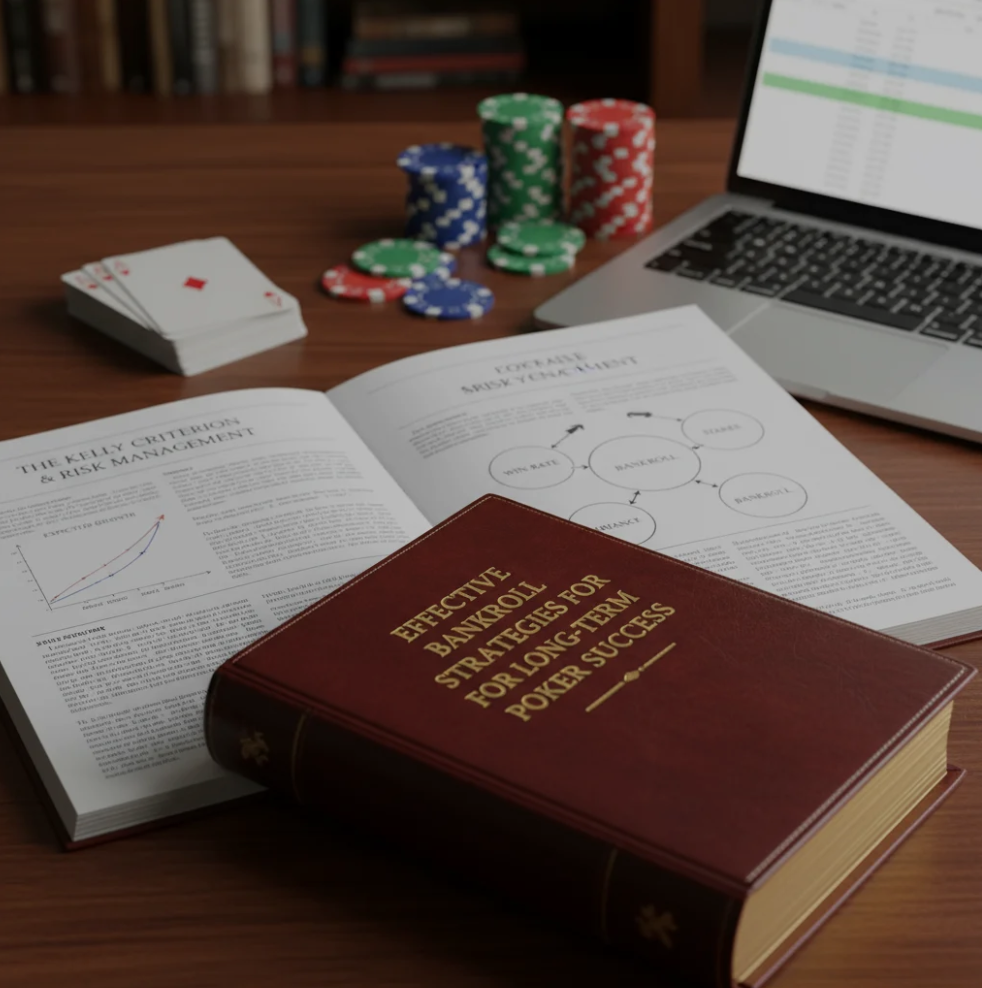
Effective Bankroll Strategies for Long-Term Poker Success

Poker isn’t just a game of skill — it’s a game of discipline and financial management.
The key to long-term success is bankroll management, which ensures players can weather the inevitable ups and downs of the game while maximizing their earning potential.

Here are proven bankroll strategies for poker that keep your play sustainable and profitable.


💰 1. Determine Your Bankroll Based on Limits and Stakes

The first step is knowing how much money you can safely allocate to poker:

  • Avoid risking funds needed for daily living expenses.
  • Divide your bankroll according to game type and stakes.
  • Conservative players typically maintain 20–50 buy-ins for cash games or 100+ buy-ins for tournaments.

This approach ensures that variance won’t bankrupt you, even during losing streaks.


📊 2. Adopt Tiered Betting and Risk Levels

Smart players adjust their stakes based on bankroll fluctuations:

  • Move up in stakes only when your bankroll reaches a safe threshold.
  • Drop down if losses exceed predefined limits.
  • Keep sessions consistent with your risk tolerance and skill level.

This tiered approach prevents reckless play and protects your long-term profitability.


🧠 3. Avoid Emotional Decisions

Bankroll management is as much psychology as math:

  • Avoid “tilt” — letting losses or frustration dictate betting.
  • Use stop-loss rules to exit sessions when limits are reached.
  • Maintain a discipline-driven mindset, treating poker like an investment, not a gamble.

Consistent, unemotional decisions are critical for long-term growth.


📝 4. Track Wins, Losses, and Metrics

Keeping a detailed record of your poker sessions is essential:

  • Track buy-ins, wins, losses, and ROI per game type.
  • Analyze patterns to identify strengths and weaknesses.
  • Use this data to refine bankroll allocation and strategy.

Knowledge of your performance helps you make smarter adjustments and protects your bankroll.


🌐 5. Diversify Play and Limit Exposure

Experienced players often diversify to reduce variance:

  • Mix cash games and tournaments to balance risk and reward.
  • Play multiple formats (e.g., No-Limit Hold’em, Pot-Limit Omaha) to expand opportunities.
  • Limit session frequency to prevent overexposure and burnout.

A diversified approach spreads risk, ensuring your bankroll lasts through swings.


🏁 Conclusion: Discipline Wins Long-Term

Effective bankroll strategies for poker are about discipline, planning, and risk management.

By:

  • Maintaining proper buy-ins,
  • Adjusting stakes responsibly,
  • Tracking results, and
  • Playing with emotional control,

you ensure that your bankroll survives variance and grows steadily.

Poker is a marathon, not a sprint. With smart bankroll management, long-term success is not just possible — it’s inevitable.

Poker player concentrating intensely on cards, representing focus and calm mindset in poker

Poker Mindset: Staying Calm and Focused Under Pressure

Success in poker isn’t just about the cards you’re dealt — it’s about how you handle the pressure. Developing a strong poker mindset allows players to make better decisions, stay composed during tense moments, and avoid emotional mistakes that can cost the game.

Here’s how to cultivate focus, calm, and resilience at the poker table.


🧘 1. Understanding the Poker Mindset

A poker mindset is a combination of emotional control, strategic thinking, and mental endurance.

  • Staying calm prevents tilt, the emotional reaction that leads to impulsive decisions.
  • Maintaining focus allows players to read opponents and make calculated moves.
  • Mental resilience helps recover from losses without frustration.

By mastering these elements, you gain an edge that goes beyond skill alone.

Image Alt Text: Close-up of a poker player maintaining focus while analyzing the table.


💡 2. Techniques for Staying Calm

Keeping your cool is essential for a strong poker mindset. Strategies include:

  • Deep breathing: Helps reduce stress and maintain focus.
  • Mindfulness: Being fully present prevents overthinking past hands or worrying about future outcomes.
  • Positive self-talk: Encourages confidence and prevents negative spirals.

Calm players make rational, strategic decisions rather than reacting impulsively.


🧠 3. Maintaining Focus During Long Sessions

Poker games can be long, demanding, and mentally draining. To stay sharp:

  • Take breaks: Short pauses prevent fatigue and maintain alertness.
  • Set mental checkpoints: Evaluate your strategy and focus periodically.
  • Limit distractions: Focus on the table, opponents, and your strategy.

Sustained focus gives you the ability to anticipate moves and capitalize on opportunities.


🔄 4. Managing Emotions and Avoiding Tilt

Even experienced players can experience tilt — emotional disruption that leads to poor decisions.

To manage emotions:

  • Recognize triggers that cause frustration
  • Step away if necessary to regain composure
  • Reflect on hands analytically rather than emotionally

A controlled mindset ensures consistent performance, even after a losing streak.


🏆 5. Developing a Winning Mental Routine

Top poker players use routines to build mental strength:

  • Pre-game preparation: Review strategies and set goals
  • During the game: Stay present and disciplined
  • Post-game reflection: Analyze hands and improve decision-making

Consistency in mental habits strengthens your poker mindset and overall performance.


Conclusion: Mind Over Cards

The poker mindset is what separates good players from great ones. By staying calm, focused, and emotionally resilient, you can navigate pressure-filled moments with clarity and confidence.

Remember: winning starts in the mind — master your mindset, and the cards will follow.

Poker player executing a bluff at a casino table with cards and chips

Bluffing Beyond the Basics: Advanced Techniques to Outsmart Opponents

Bluffing is more than just pretending to have a strong hand — it’s an art form that separates good poker players from great ones. Once you’ve mastered the basics, it’s time to explore advanced bluffing techniques that can give you a strategic edge at the table.

Whether you play online or in a live casino, understanding the psychology, timing, and subtle nuances of bluffing is crucial for consistently outsmarting opponents.


🔍 1. Reading Opponents Like a Pro

Advanced bluffing begins with observing your opponents carefully.
Notice patterns in their betting, body language, and reactions.

  • Identify players who fold too easily — ideal targets for bluffs
  • Detect opponents who call frequently — avoid bluffing against them
  • Track their emotional state — nervous or confident players respond differently

Bluffing successfully requires tailoring your strategy to the unique tendencies of each player.

Image Alt Text: Poker player studying opponents at a casino table, planning a strategic bluff.


⏱️ 2. Timing Is Everything

Even a perfect bluff fails if mistimed.
Advanced players know when to act:

  • Bluff early in a hand when uncertainty is high
  • Use late-position bluffs to control the betting flow
  • Mix in occasional bluffs to remain unpredictable

Remember, consistency in your bluffing patterns can backfire. Mix timing and frequency for maximum effect.


🧠 3. The Semi-Bluff: Turning Weak Hands into Opportunities

A semi-bluff occurs when you bet or raise with a hand that may improve later.

  • If your opponent folds, you win immediately
  • If called, you still have a chance to hit your draw
  • Keeps your table image dynamic and unpredictable

Semi-bluffs combine aggression and probability to create pressure, forcing opponents into tough decisions.


🔗 4. Table Image and Perception Control

Your table image — how opponents perceive you — is critical.

  • A tight, conservative image allows for more successful bluffs
  • An aggressive image makes some bluffs less credible
  • Subtle adjustments to your image enhance the effectiveness of advanced techniques

Manipulating perception keeps opponents guessing, making it easier to take advantage of their assumptions.


💡 5. Combining Psychology and Betting Patterns

Advanced bluffing is a psychological game.
Use your betting patterns to tell a story:

  • Slow-play strong hands to lure opponents in
  • Aggressive betting to represent a monster hand
  • Alter your bet sizes to create tension and uncertainty

By combining psychology, timing, and observation, you can make even mediocre hands appear formidable.


🌟 6. Avoiding Common Bluffing Mistakes

Even seasoned players slip up. Avoid:

  • Bluffing too often — makes you predictable
  • Targeting the wrong opponent — some players never fold
  • Forgetting table dynamics — position and stack size matter
  • Ignoring tells — both yours and your opponents’

Refining your approach ensures bluffs remain strategic tools, not reckless risks.


🎯 Conclusion: Elevate Your Game with Advanced Bluffing

Bluffing beyond the basics requires practice, observation, and strategic thinking. By mastering timing, reading opponents, table image, and semi-bluffs, you can consistently outsmart opponents and gain a significant edge in poker.

Remember, bluffing is both art and science — and the players who combine both often dominate the table.

Virtual poker table with players on laptops and mobile devices, representing the top online poker platforms of 2025.

Top 10 Online Poker Platforms You Should Try in 2025

Online poker continues to evolve, offering players exciting gameplay, competitive tournaments, and lucrative bonuses. If you’re looking to up your game in 2025, knowing the best platforms is key.

Here’s a comprehensive guide to the top 10 online poker platforms you should try this year — trusted sites with excellent features, security, and community engagement.


♠️ 1. PokerStars

The long-standing leader in online poker, PokerStars offers a wide range of games, including Texas Hold’em, Omaha, and high-stakes tournaments. Known for its robust software and vibrant community, it’s a favorite among serious players.

Highlights: Global tournaments, mobile-friendly app, secure payments, loyalty rewards.


♣️ 2. 888poker

888poker is a beginner-friendly yet competitive platform, perfect for casual players and pros alike. Regular promotions and low-stakes games make it ideal for learning and strategy testing.

Highlights: Generous welcome bonuses, simple interface, and themed tournaments.


♦️ 3. PartyPoker

With a strong reputation for fairness and a player-first approach, PartyPoker balances fun and strategy. Their multi-table tournaments attract competitive players globally.

Highlights: Advanced analytics, loyalty programs, and high-quality support.


♥️ 4. GGPoker

GGPoker is quickly becoming a top choice for online tournament enthusiasts, hosting major global events with millions in prize pools.

Highlights: Innovative game features, global community, and mobile-optimized play.


♠️ 5. Unibet Poker

Unibet is ideal for those seeking a smooth, casual poker experience with regional focus in Europe. Its tournaments and cash games are friendly for beginners while still challenging seasoned players.

Highlights: Easy-to-use software, beginner promotions, and fair play focus.


♣️ 6. BetOnline Poker

A strong option for US-based players, BetOnline offers variety and security, from cash games to multi-table tournaments.

Highlights: Secure platform, crypto payment options, professional support.


♦️ 7. America’s Cardroom

America’s Cardroom caters to dedicated US players, featuring high-volume tournaments and regular promotions.

Highlights: Fast payouts, networked tournaments, and a loyal poker community.


♥️ 8. Intertops Poker

Intertops is known for consistency and reliability, offering solid software and a fair playing environment. Perfect for players who prefer stable and secure platforms.

Highlights: Long-standing reputation, beginner-friendly, multiple cashout options.


♠️ 9. Betfair Poker

Betfair combines poker with a trusted betting platform, offering unique tournaments and a lively poker network.

Highlights: Integrated betting features, large community, and rewards for regular players.


♣️ 10. TigerGaming Poker

TigerGaming is gaining traction with fast tables and low rake games, ideal for players who want more hands per hour.

Highlights: Competitive rake structure, crypto-friendly, and vibrant international tournaments.


🚀 Conclusion: Choose the Right Platform for You

In 2025, the best online poker platform depends on your skill level, style, and goals. From global leaders like PokerStars to niche-focused platforms like TigerGaming, there’s a poker site for everyone.

🔑 Tip: Start with platforms offering welcome bonuses, fair play, and a strong community, then gradually explore tournaments and higher stakes as your skills grow.

Poker player looking at cards with chips on the table, illustrating variance and losing streaks in poker.

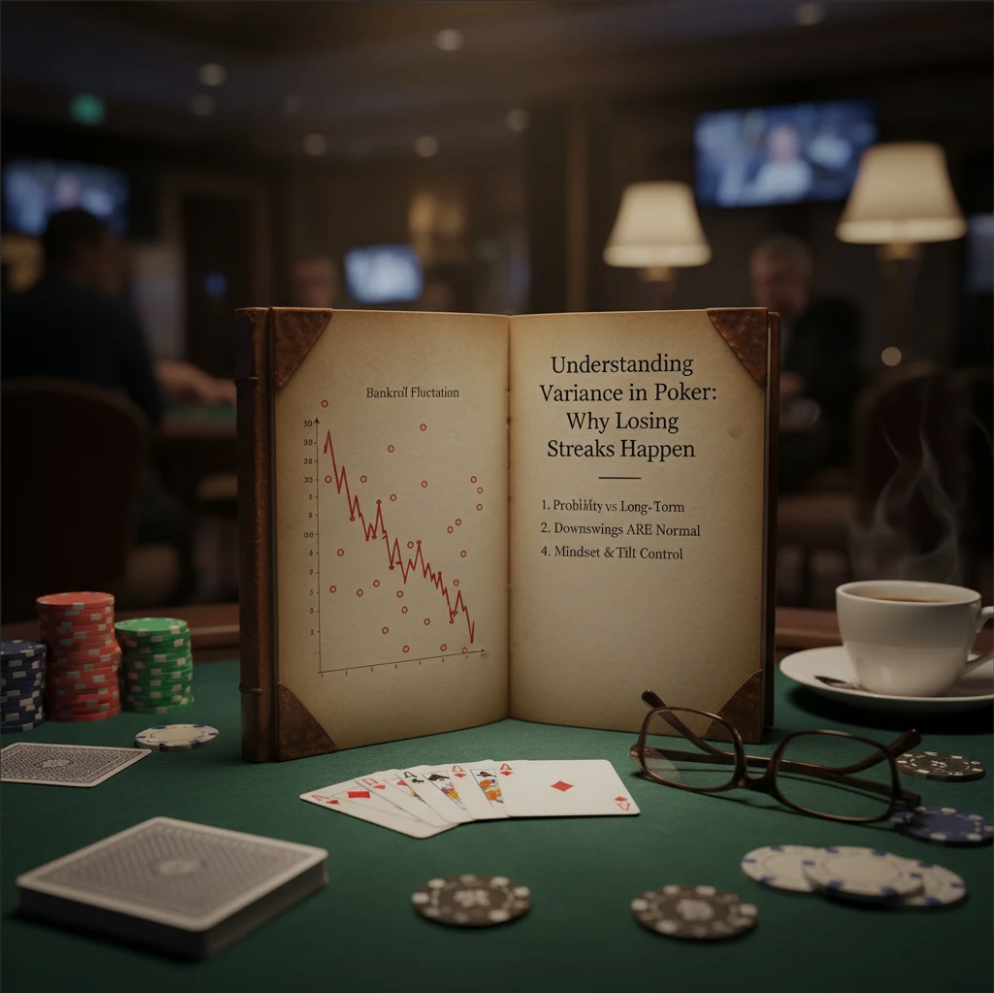
Understanding Variance in Poker: Why Losing Streaks Happen

Poker is a game of skill, strategy, and psychology — but it’s also a game of variance. Even the most skilled players experience losing streaks, and understanding why can make the difference between frustration and long-term success.

📊 1. What is Variance in Poker?

Variance refers to the natural fluctuations in results caused by luck, short-term randomness, and the probabilistic nature of poker.
Even if you make the right decisions consistently, bad beats and unlucky sequences can occur.

💡 Variance is not a reflection of skill — it’s part of the game’s statistical reality.


🎲 2. Why Losing Streaks Happen

Losing streaks are a direct result of variance. They happen when:

  • You encounter bad beats over several hands
  • Random fluctuations favor your opponents
  • Your expected value (EV) positive plays haven’t yet materialized

⚠️ Recognizing losing streaks as temporary variance helps you maintain perspective and confidence.


🧠 3. Managing Your Mindset

The mental aspect of poker is just as important as strategy:

  • Accept that losses happen — it’s part of the game
  • Avoid emotional decisions during streaks
  • Focus on making the correct plays, not short-term results

A strong mindset ensures you don’t tilt and preserves your long-term edge.


💰 4. Bankroll Management: Your Safety Net

Proper bankroll management is key to surviving variance:

  • Only play stakes you can afford
  • Adjust bet sizes based on your bankroll
  • Keep a buffer for inevitable downswings

🎯 Smart bankroll decisions protect you from going broke during losing streaks.


📈 5. Viewing the Bigger Picture

Long-term poker success depends on skillful play and consistent decision-making. While variance can temporarily mask your edge, over time, the expected value of good decisions prevails.

💬 Focus on improving strategy, not obsessing over short-term results.


Conclusion: Embrace Variance, Master Your Game

Losing streaks are an inevitable part of poker. Understanding variance allows players to:

  • Stay calm under pressure
  • Make informed strategic decisions
  • Maintain confidence and discipline

🎲 By embracing variance rather than fearing it, you transform losing streaks into learning opportunities and ensure long-term success at the tables.