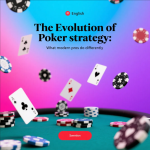
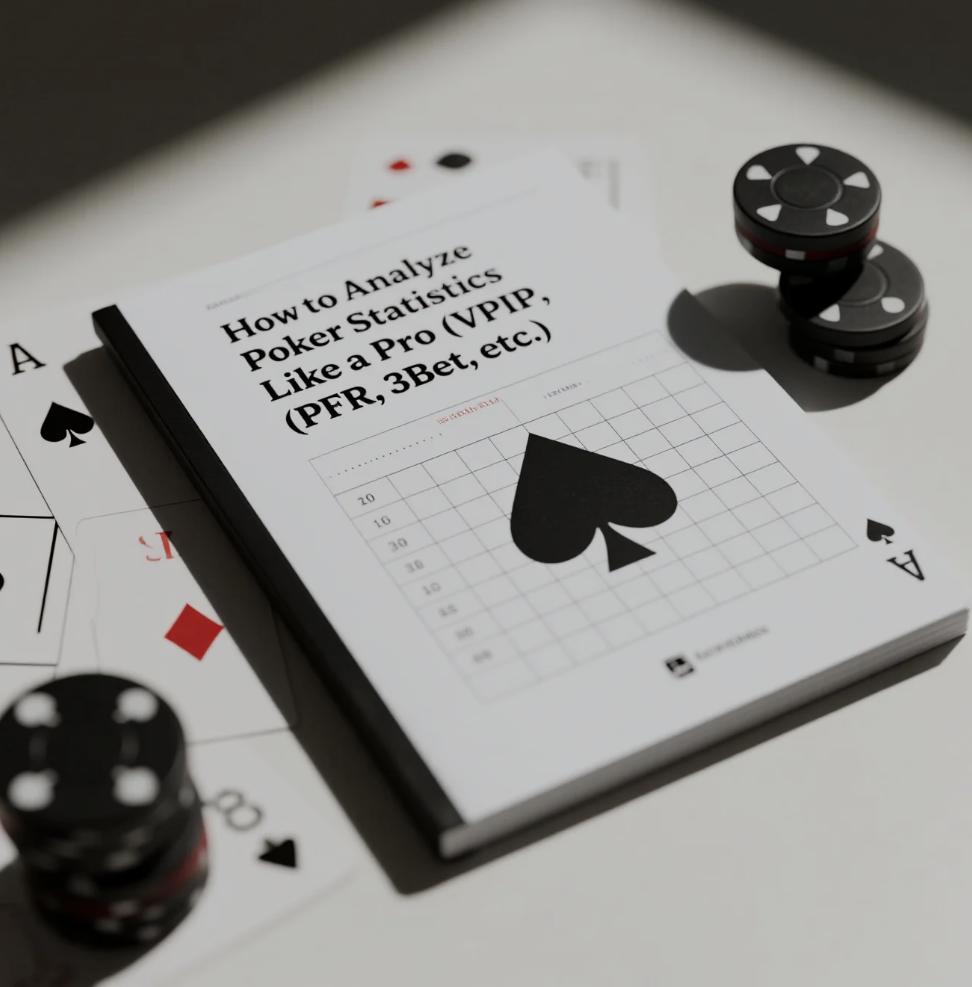
Close-up of poker chips, cards, and a digital solver interface

The Evolution of Poker Strategy: What Modern Pros Do Differently

Poker has transformed dramatically over the past two decades. What was once a game dominated by instinct, “feel,” and daring bluffs has evolved into a discipline of mathematics, psychology, data, and precision. Today’s elite players look nothing like the loose-aggressive cowboys of early poker fame. They are studied, analytical, adaptable, and relentlessly consistent.

This is the story of how poker strategy evolved—and the key elements that modern pros use to outplay the competition.


1. The Shift from “Feel Play” to Mathematical Precision

In the early 2000s, many pros relied on intuition and table presence. But modern players operate differently:

Modern Pros Use:

  • Game Theory Optimal (GTO) principles
  • Equity calculations
  • Solver-based study routines
  • Range versus range analysis

Where old-school players made reads based on body language or “energy,” modern pros cross-reference decisions with statistical accuracy.

Why This Matters

Precision reduces mistakes, balances ranges, and prevents opponents from exploiting patterns.


2. Range Thinking Replaces Hand Thinking

Traditional players focused on their hand. Modern players focus on all possible hands an opponent could hold.

Range-Based Pros Consider:

  • Frequency of combinations
  • Board texture advantages
  • Opponent tendencies
  • Equity distribution across ranges

This mindset shift is one of the most important evolutions in poker strategy.


3. Less Bluffing, More Balanced Frequencies

Gone are the days of wild Hollywood-style bluffs. Today’s professionals bluff with purpose, using balanced strategies.

Modern Bluffing Principles:

  • Bluff only when holding blockers
  • Maintain consistent bluff-to-value ratios
  • Time bluffs to specific board textures

Bluffing now follows patterns proven through population data and solver analysis.


4. Data-Driven Decisions Through Software & Study Tools

Technology has changed everything. Modern pros use advanced tools such as:

  • PIO solvers
  • Range analyzers
  • Database tracking software (HUDs & trackers)
  • Runout simulations
  • Equity calculators

These tools help players review hands, detect leaks, and refine strategies with precision.

Old pros studied at the table—new pros study off the table.


5. Mental Game Mastery & Performance Psychology

Modern professionals treat poker like a sport, not a hobby.

They focus on:

  • Tilt control
  • Mindfulness
  • Session management
  • Emotional resilience
  • Decision-making under pressure

This psychological evolution allows players to perform consistently in long sessions and high-stakes environments.


6. Exploitative Play — Still Alive, But Smarter

Although GTO is the baseline strategy, modern pros know when to deviate.

Smart Exploits Include:

  • Targeting recreational tendencies
  • Over-folding or over-betting when data supports it
  • Adjusting to player pools
  • Changing strategies dynamically across tables

Modern exploitation is subtle and mathematically justified—not guesswork.


7. Adaptability Across Formats

The best online and live players excel because they can shift strategies depending on format:

  • Cash games demand deep-stack mastery
  • Tournaments require ICM (Independent Chip Model) knowledge
  • Short deck & mixed games require specialized ranges
  • Online play rewards speed and precision
  • Live play offers physical information and social dynamics

Modern pros treat each format as a unique discipline.


Conclusion

The evolution of poker strategy reflects a broader shift toward intelligence, discipline, and data-driven decision-making. Today’s pros excel because they combine:

  • Mathematical mastery
  • Psychological strength
  • Adaptable, balanced strategies
  • Technology-enhanced study
  • A deep understanding of ranges and frequencies

Modern poker professionals are not just gamblers—they are analysts, strategists, and performers operating at the highest levels of precision.

Two poker players facing off heads-up at a final table with chips and cards in play

Winning Heads-Up: Essential Strategies for Final Table Success

When the tournament field has thinned and the rail is packed with energy, only two players remain.

Heads-up play is where champions are made. But unlike full-ring or short-handed poker, heads-up strategy requires a sharper mindset, wider ranges, and a precise read on your opponent.
To secure the trophy and the biggest pay jump of your tournament life, you need more than luck—you need winning heads-up strategies designed for final-table success.


1. Aggression Wins—but Smart Aggression Wins More

Most players tighten up during fear-based moments. Heads-up is the opposite.

Key principles:

  • Raise frequently on the button
  • Apply pressure with position
  • Force your opponent into uncomfortable spots
  • Fire continuation bets on dry boards

Heads-up is a battle of relentless pressure. The player dictating the action often controls the match.


2. Play Wider Ranges: Tight Poker Is a Mistake

With only two players, hand values shift drastically.

What becomes playable:

  • Most suited hands
  • Off-suit broadways
  • Low pairs
  • Connected and one-gap hands
  • Many hands you’d fold in 6-max or full-ring

Tournament winners embrace wide ranges and adjust dynamically.


3. Position Is Power—Use It Ruthlessly

The button is your strongest weapon.

On the button:

  • Open almost your entire range
  • Keep pots small with marginal hands
  • Build pots with value hands
  • Continuously apply pressure

Out of position:

  • Tighten your calling range
  • Avoid bloating pots without equity
  • Choose selective aggression (e.g., check-raise strong draws)

Position decides the pace of the match.


4. Tailor Your Strategy to Your Opponent

Heads-up poker is less about charts and more about psychology.

Against loose-aggressive players:

  • Trap more often
  • Widen your value 3-bet range
  • Avoid bluffing stations

Against tight-passive players:

  • Steal relentlessly
  • Use small sizings to chip away
  • Increase bluff frequency

Reading tendencies is half the battle.


5. Adjust Bet Sizing to Maximize Pressure

Small changes in bet size can shift the entire dynamic.

Use:

  • Small opens (2x) to keep control
  • Mix of small and large c-bets depending on board texture
  • Larger river bets when polarized
  • Check-backs to bluff-catch later streets

A well-timed sizing adjustment can force folds or extract maximum value.


6. Master the Mental Game: Confidence Wins Titles

At the final table, fear is dangerous.

Mental keys:

  • Stay calm when pots swing
  • Avoid emotional decisions
  • Trust your ranges and observations
  • Treat each hand as its own puzzle

Champions stay composed, even when the pressure peaks.


7. Exploit Stack Depth Properly

Stack size dictates your entire strategy.

Deep stacks:

  • Use more post-flop maneuvering
  • Allow for multi-street bluffs
  • Expand 3-bet bluffs

Shallow stacks:

  • Play push/fold dynamics
  • Reduce speculative hands
  • Prioritize hands with blocker strength

Understanding stack depth is critical to making optimal decisions.


8. Bluff Selectively—But Fearlessly

Good bluffs beat bad calls. Great bluffs beat great players.

Look for spots where:

  • You block your opponent’s value range
  • Your story is consistent across streets
  • The board favors your perceived range
  • Opponents demonstrate fold tendencies

The best players blend bluffs and value seamlessly.


9. Turn Showdowns Into Information

Every hand—even folded ones—gives clues.

Ask:

  • How quickly did they act?
  • Did they showdown unexpected hands?
  • Do they over-call or over-fold?
  • Do they adjust or repeat mistakes?

Heads-up poker is an information war—use every reveal to sharpen your edge.


10. Play for the Win—Not Just the Pay Jump

At the final table, second place pays well, but first place changes careers.

Winners:

  • Embrace calculated risk
  • Trust aggressive instincts
  • Push marginal edges
  • Stay unpredictable

Playing scared in heads-up is the fastest way to finish second.

General heads-up theory reference:
https://upswingpoker.com/heads-up-no-limit-guide/


Conclusion

To dominate the final showdown and seal your tournament victory, you need confidence, adaptability, and a deep understanding of winning heads-up strategies.
The players who succeed in this stage aren’t the tightest or even the most technical—they’re the ones who adjust the fastest, apply the most pressure, and stay mentally sharp under fire.

Master these principles, and you won’t just reach final tables—you’ll win them.

Poker players making strategic decisions near the tournament bubble, showing pressure and profit opportunities

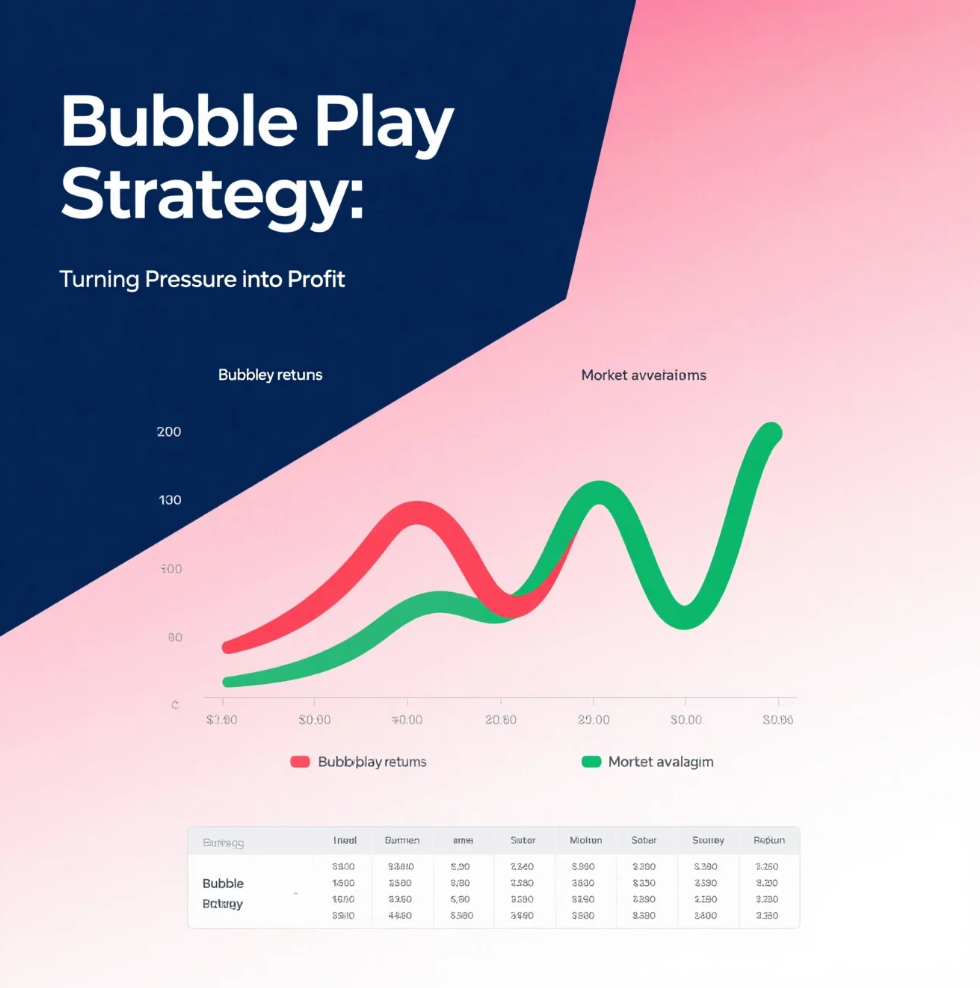
Bubble Play Strategy: Turning Pressure into Profit

In tournament poker, few moments are as tense—or as profitable—as the bubble. This is where players tighten up, emotions peak, and every decision feels magnified. But for skilled players, the bubble isn’t something to fear—it’s an opportunity.

A strong bubble play strategy can turn pressure into real, consistent profit by helping you capitalize on fear, protect your stack, and attack opponents who are trying to survive.


1. Why the Bubble Matters: Understanding ICM Pressure

On the bubble, players care about one thing above all:
making the money.

This creates Independent Chip Model (ICM) pressure, where the value of chips changes depending on risk and reward.

ICM pressure causes:

  • Tight folds from short and medium stacks
  • Hesitation against aggression
  • Massive equity shifts from confrontations

Understanding ICM is essential to exploiting bubble dynamics.

Great ICM overview:
https://upswingpoker.com/icm-explained/


2. Big Stacks: The Aggressor’s Playground

If you have a big stack, the bubble is your chance to shine.

You should:

  • Raise frequently
  • Apply maximum pressure on short and medium stacks
  • Steal blinds relentlessly
  • 3-bet light when players are afraid to play back

Big stacks profit because opponents are terrified of busting.

Your goal:

Force folds, not showdowns.


3. Short Stacks: Survival With Selective Resistance

Being short-stacked on the bubble requires discipline—but not total passivity.

Smart short-stack adjustments:

  • Tighten up calling ranges
  • Choose good reshove spots
  • Avoid tangling with the chip leader
  • Attack other short stacks who are playing too tight

Short stacks often make the mistake of folding too much. Strategic aggression keeps you alive without spewing equity.


4. Medium Stacks: The Most Complicated Position

Medium stacks face the biggest strategic challenge:
You have enough chips to lose… but not enough to bully.

Your approach should be:

  • Avoid big confrontations with larger stacks
  • Apply controlled pressure on shorter stacks
  • Fold marginal spots to avoid disaster
  • Preserve your tournament life

Medium stacks succeed by playing selective aggression.


5. Identify Who Is Playing to “Make the Money”

Not every opponent reacts to bubble pressure the same way.

Look for:

  • Players checking their payouts screen
  • Rock-tight behavior
  • People refusing to call even strong hands
  • Nervous, hesitant actions
  • Overly short stacks trying to outlast one another

These players are your folding machines—push them around.


6. Exploit Tightness With Wider Steals & 3-Bets

Since most players tighten up, open-raising becomes extremely profitable.

Ideal steal spots:

  • Late position vs middle stacks
  • Blinds who are protecting min-cash hopes
  • Players who have shown fear in previous hands

When opponents are scared, your cards matter less—your pressure matters more.


7. Avoid Disaster Hands That Can Ruin Your Tournament

Bubble mistakes are often the result of ego, not strategy.

Avoid:

  • Big multi-way pots
  • Calling large shoves with marginal hands
  • Coin flips you don’t need to take
  • Trying to “prove a point”

On the bubble, survival and pressure > hero calls.


8. Know When to Ramp Up & When to Slow Down

Not every bubble is equal.
Consider:

Final table bubble?

Pressure is at its peak.

Early tournament bubble?

Players may be less afraid.

Satellite bubble?

This is the most extreme—chips have massive ICM value, so aggression becomes unbelievably profitable.

Understanding the tournament type helps shape your strategy.


9. Use Table Image to Your Advantage

If you’ve been tight, your steals get more respect.
If you’ve been aggressive, timing your bluffs carefully becomes crucial.

Tip:

Mix plays smartly—don’t become predictable.


10. Turning Pressure Into Profit: The Core Principle

The key insight behind bubble play:

Your opponents play worse under pressure. You should play better.

When others fold too much…
You win chips.

When others panic…
You exploit them.

When others wait for min-cash…
You build a stack to win the tournament.

Bubble edges aren’t small—they’re monumental.


Conclusion

A strong bubble play strategy is one of the most profitable skills in tournament poker.
By understanding ICM, reading opponents, applying pressure strategically, and knowing when to tighten or attack, you can convert tension into chips—and chips into long-term tournament success.

The bubble isn’t a threat.
It’s an opportunity to build a stack that carries you deep into the money, and often, straight to the final table.

Poker player analyzing table options and opponent tendencies before choosing a seat

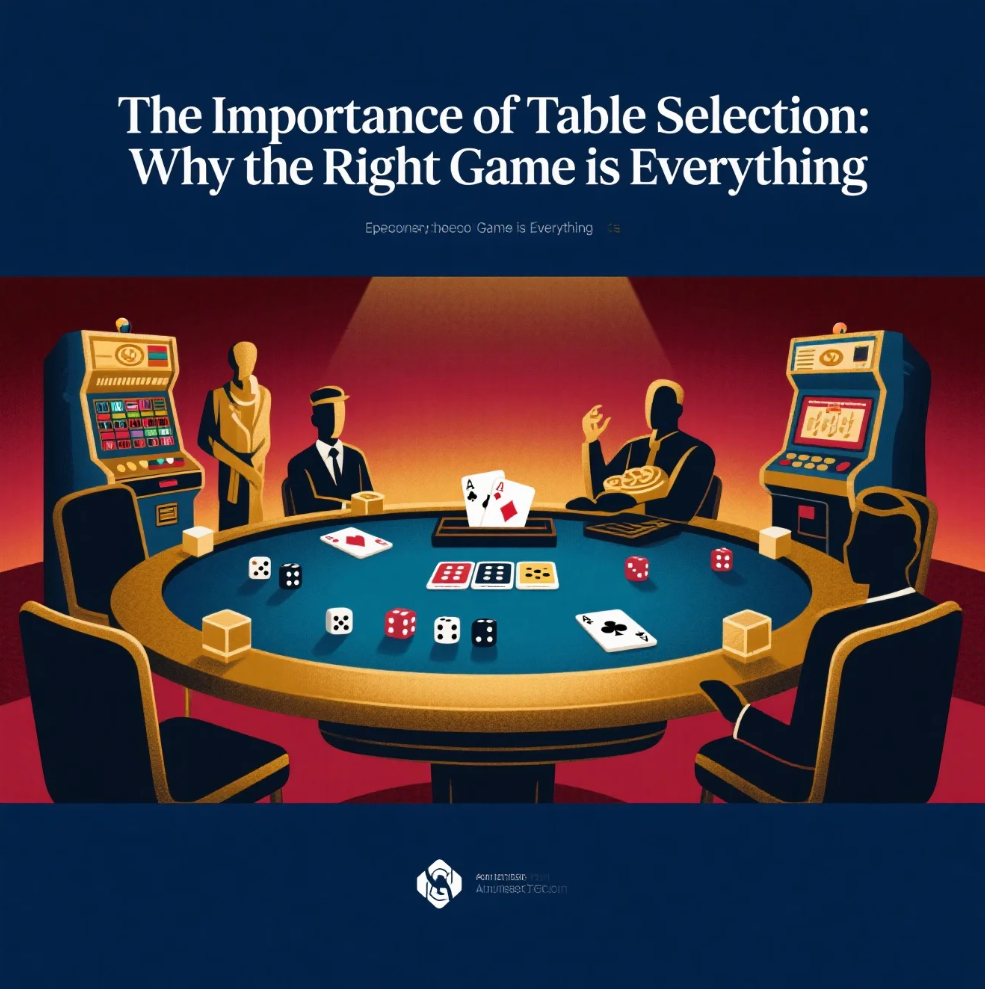
The Importance of Table Selection: Why the Right Game is Everything

Many poker players spend countless hours studying strategy, watching training videos, and analyzing hands—yet overlook one of the most powerful ways to increase their win rate: choosing the right table.
In poker, skill matters, but table selection is everything. A great player at the wrong table will always struggle, while even an average player can thrive when seated with the right lineup. Let’s break down why table selection is one of the most essential—and underrated—skills in poker.


1. Easy Games Equal Easy Profits

The simplest rule in poker:
Your edge comes from the mistakes of your opponents.

If you’re sitting with:

  • Tight regulars
  • Strong multi-tabling pros
  • Highly experienced players
  • Balanced, low-mistake opponents

…your win rate will naturally shrink.

But if you choose tables with:

  • Casual players
  • Loose-passive opponents
  • Calling stations
  • Tilt-prone or inexperienced players

…your profit increases without changing your strategy.

Table selection = instant ROI boost.


2. The Wrong Table Can Turn a Winning Player Into a Losing One

Many players blame “bad luck” when they are simply in tough lineups.

Signs you’re at the wrong table:

  • No obvious weak players
  • Too many grinders
  • Constant 3-betting
  • Low average pot sizes
  • Everyone plays tight and disciplined
  • You feel uncomfortable or card-dependent

Even strong players lose money in high-skill environments.
The right table removes unnecessary difficulty and reduces variance.


3. Maximizing Your Hourly Earnings (EV/hr)

Poker isn’t just about winning pots—it’s about maximizing long-term earnings.

With strong table selection:

  • You win more pots
  • You win larger pots
  • You lose fewer big hands
  • You tilt less
  • You make fewer marginal decisions

This directly increases your expected value per hour, often more than any strategy tweak.


4. Lower Variance = Better Mindset

Tough games create:

  • More swings
  • More frustration
  • More tilt
  • More bankroll pressure

Soft tables create:

  • More predictable outcomes
  • More stability
  • More confidence
  • Better emotional control

A healthy mindset is one of poker’s biggest advantages, and table selection supports it.


5. Spotting Weak Players: What to Look For

You can identify profitable tables quickly by scanning for:

Common weak-player signs:

  • Limping frequently
  • Calling too much preflop
  • Rarely 3-betting
  • Min-betting or odd bet sizing
  • Playing too many hands
  • Chasing every draw
  • Playing short-stacked
  • Chatting or distracted

The more leaks at the table, the higher your win rate.


6. How to Evaluate a Table Before Sitting

Check:

  • Average pot size
  • Players seeing the flop
  • Number of short stacks
  • Player notes from previous sessions
  • Seating position relative to weak opponents
  • How aggressive the table is

If you’re playing online, use the lobby stats to your advantage.

Helpful breakdown of poker lobby stats:
https://upswingpoker.com/poker-table-selection/


7. Move Frequently—Don’t Get Attached

Many players lose profits by staying too long at unprofitable tables.
Be willing to leave when:

  • The fish busts and leaves
  • Many good regulars join
  • The table becomes tight
  • You feel uncomfortable or outmatched
  • Game quality drops

Table selection is ongoing, not a one-time decision.


8. Position Matters: Sit With Advantage

Even at a good table, seat selection matters.

Ideal spot:

  • Weak players on your right
  • Aggressive players on your left

This gives you:

  • More information
  • More control
  • More profitable decisions

A good seat turns a decent table into a goldmine.


9. Table Selection Beats Strategy Study (In the Short Term)

You could study for months to improve your win rate by 1–2 BB/100.
But a soft table can instantly boost your win rate by 5–10 BB/100 or more.

Table selection = immediate improvement

Strategy study = long-term improvement

You need both—but table selection gives faster results.


Conclusion

The importance of table selection cannot be overstated.
Poker isn’t played in a vacuum; it’s played against people. And the quality of those opponents determines how easily you can win.

By choosing the right tables, assessing your opponents, and moving when necessary, you gain an enormous strategic edge—often bigger than any single tactic or advanced concept.

Smart poker players don’t just play better—they sit better. And that’s why the right game is everything.

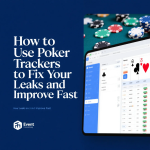
Poker player reviewing statistics and hand histories using a professional poker tracker software

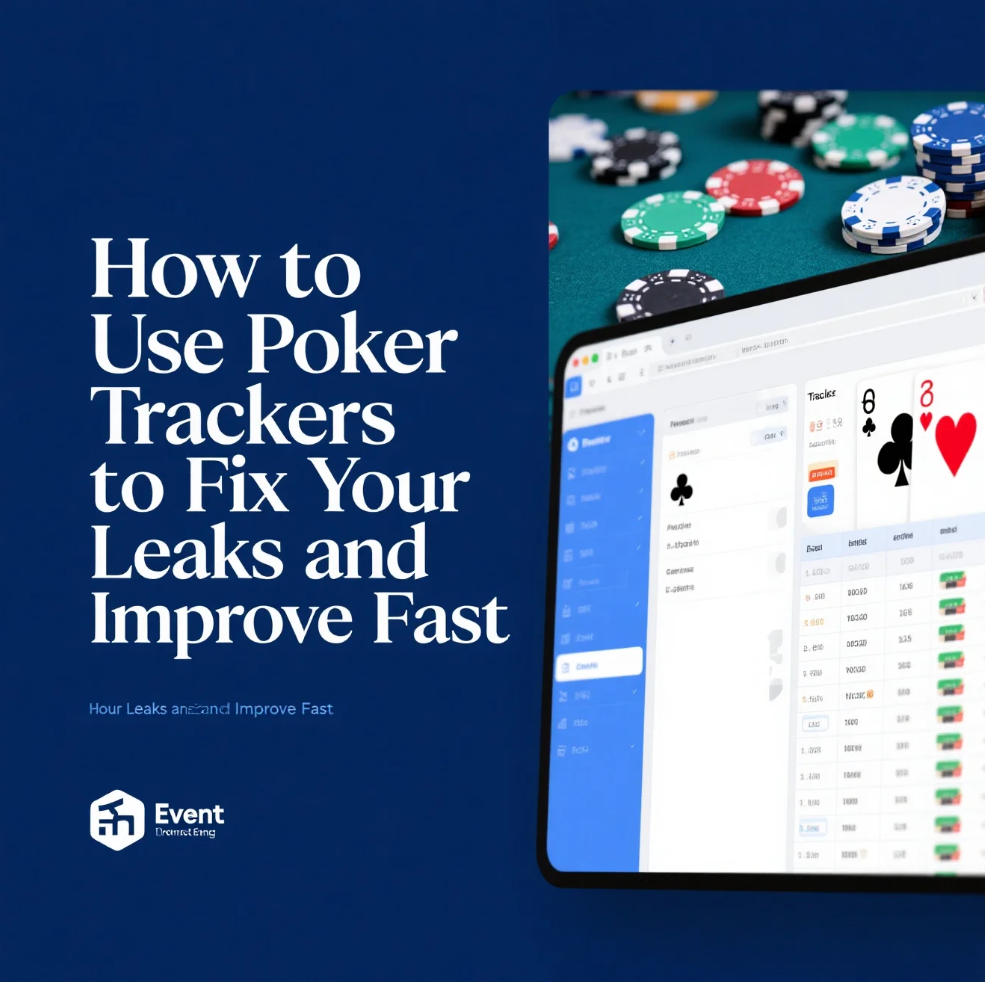
How to Use Poker Trackers to Fix Your Leaks and Improve Fast

If you’re serious about improving your poker skills, a tracker isn’t optional—it’s essential. Tools like PokerTracker 4, Hold’em Manager 3, and Hand2Note help you understand your actual playing habits, reveal hidden leaks, and accelerate your growth.

This guide breaks down how to use poker trackers to fix your leaks, analyze your stats correctly, and make big improvements in a short time.


1. Understanding What a Poker Tracker Really Does

A poker tracker records and analyzes your gameplay data so you can see your true tendencies—not how you think you play.

A good tracker provides:

  • Hand histories
  • Positional win rates
  • Player tendencies
  • HUD stats (optional)
  • Graphs of profit/loss
  • Leakfinder reports

With this data, you can make decisions based on facts, not guesses.


2. Start With the Most Common Leak Areas

Poker trackers make it easy to identify high-impact leaks that many players share.

The biggest leak categories include:

  1. VPIP/PFR gaps (calling too much)
  2. Low aggression factor (not betting enough)
  3. Over-folding or under-folding to 3-bets
  4. Losing too much from early position
  5. Overplaying marginal hands
  6. C-betting too often—or not enough
  7. Calling down with weak pairs

Trackers show exactly where these leaks appear, especially when combined with filters.


3. Analyze Your VPIP/PFR to Understand Your Table Image

The first stat to check is your VPIP (Voluntarily Put Money In Pot) vs. PFR (Preflop Raise).

What healthy numbers usually look like:

  • Tight-aggressive players: 18/15
  • Balanced 6-max players: 24/20
  • Loose-aggressive pros: 28/24

If your gap is huge (e.g., 28/10), you’re calling too much and not taking control of pots.
Use your tracker to filter:

  • Hands where you called preflop
  • Hands where calling cost you more than it earned

You’ll quickly spot patterns.


4. Break Down Your Positional Win Rates

Strong poker players win most of their money from late position.
Your tracker shows you:

  • BB/100 by position
  • Leak-heavy seats
  • Overplayed hands from early position

If you’re losing from UTG or MP, tighten your range.
If you’re not winning big from the button, widen your steals and value bets.


5. Use Filters to Review Specific Problem Situations

Poker trackers let you isolate certain spots to discover misconceptions in your play.

Useful filters include:

  • 3-bet pots
  • Calling 3-bets
  • C-bet flop / turn / river success
  • Hands where you check-call multiple streets
  • Hands where you slow-played strong draws

Patterns will jump out—usually faster than expected.


6. Review Your Biggest Losing Hands

In the “Reports” tab of most trackers, sort your hands by loss amount.

Then ask:

  • Was the call justified?
  • Did I misread the board texture?
  • Was my sizing correct?
  • Should I have raised or folded earlier?
  • Was this a tilt decision?

Most large losses come from repeatable mistakes—easy to fix once you notice them.


7. Compare Your Stats With Proven Winning Ranges

Poker trackers allow comparison between your stats and thousands of winning player samples.

Compare areas like:

  • 3-bet %
  • Fold vs 3-bet %
  • C-bet flop/turn frequency
  • Steal %
  • WTSD (Went to Showdown)
  • W$SD (Win at Showdown)

If your numbers fall far outside the standard range, you’ve found a leak.


8. Use the HUD (Optional) for Real-Time Adjustments

If you’re comfortable with live in-game data, HUDs can help you make better decisions, such as:

  • Identifying tight/bluffy opponents
  • Knowing who folds to 3-bets
  • Spotting loose-passive calling stations
  • Recognizing strong regulars vs. weak players

HUD use isn’t mandatory, but it can give you a significant edge.


9. Track Your Improvements Over Time

A tracker isn’t just for identifying leaks—it’s for measuring growth.

Focus on:

  • Your BB/100 trend
  • Leakfinder improvements
  • Steadier positional win rates
  • Better showdown performance
  • Lower variance from bad calls

Small corrections compound into major profit boosts.


10. Make a Weekly Study Routine

Consistency is key.
Try this weekly structure:

30 minutes — Reviewing losing hands

30 minutes — Positional analysis

30 minutes — Reviewing filtered situations

30 minutes — Applying newly learned adjustments

With this routine, improvements come fast.


Conclusion

Poker trackers are transformative tools—when used correctly. They show you exactly where your game is leaking and guide you toward data-driven improvements. By analyzing stats, filtering problem spots, reviewing losing hands, and tracking progress, you’ll grow faster than players relying on intuition alone.

With discipline and consistent review, you’ll turn mystery into mastery, and weak spots into winning edges.

Graphic comparing GTO strategy and exploitative play in poker using mathematical and psychological symbols

GTO vs Exploitative Play: Finding the Perfect Balance

Modern poker strategy often revolves around one of the biggest debates in the game:
Should you play Game Theory Optimal (GTO) or exploitative?

Both approaches have strengths, weaknesses, and situations where each performs best.
The real power comes not from choosing one — but from knowing when to use which.

This guide breaks down the differences, the advantages, and how to find the perfect balance for long-term success at the tables.


🎯 1. What Is GTO Poker?

GTO (Game Theory Optimal) is a mathematically balanced strategy designed to make you unexploitable.
Using GTO means:

  • Your ranges are balanced
  • You bluff at mathematically correct frequencies
  • You call, fold, or raise based on equilibrium
  • Opponents can’t profit from your tendencies

GTO is especially useful against:

  • Strong players
  • Balanced opponents
  • Unknown player pools
  • Online environments where population data matters

The goal is simple:
Don’t let anyone beat you in the long run.

But there’s a catch — GTO doesn’t always maximize profit.


🎭 2. What Is Exploitative Play?

Exploitative play does the opposite of GTO.

Instead of balancing your strategy, you make adjustments specifically designed to take advantage of the mistakes your opponents are making.

Examples:

  • If someone over-folds → you bluff more
  • If someone plays too many hands → you tighten and punish them
  • If someone never folds river → you value bet big and cut bluffs
  • If someone continuation bets every flop → you check-raise more

Exploitative play maximizes EV (expected value) against weak or predictable opponents.

The downside?
You become exploitable if they notice and counter-adjust.


⚖️ 3. GTO vs Exploitative: Key Differences

FeatureGTOExploitative
GoalBe unexploitableMaximize profit
Based onMath + equilibriumReads + tendencies
Works best vsStrong playersRecreational players
RiskLower profit ceilingCan be countered
ComplexityHighMedium-high

Neither approach is “right” — both serve different purposes.


🔍 4. When to Use GTO

Use a GTO-based approach when:

✔ You don’t know your opponent
✔ You’re playing against strong or tricky players
✔ You’re facing balanced ranges
✔ You’re defending vs aggression
✔ You’re in higher-stakes or solver-influenced pools

GTO gives structure, removes guesswork, and protects you from being exploited.


🎯 5. When to Use Exploitative Play

You should exploit when you’ve gathered information, such as:

✔ Villain folds too much
✔ Villain calls too much
✔ Villain bluffs too little
✔ Villain bluffs too often
✔ Villain has obvious emotional or strategic leaks

These opponents include:

  • Recreational players
  • Tilted players
  • Passive calling stations
  • Hyper-aggressive maniacs
  • Predictable regulars

Exploitative play prints the maximum money at these tables.


🧠 6. The Perfect Balance: Hybrid Strategy

The strongest poker players today don’t commit to one style.
They use a hybrid approach, adjusting dynamically based on conditions.

Start with GTO as your baseline

This ensures you’re protected and balanced.

Exploit when you have evidence

Don’t guess — exploit only when you know your opponent has a pattern.

Return to GTO when reads are unclear

Safe, solid, unexploitable play is better than risky guesses.

Exploit population tendencies

In many pools:

  • People under-bluff river
  • People over-fold to 3-bets
  • Live players call too wide
  • Micros players don’t defend enough

These aren’t guesses — they’re statistical norms.

A hybrid strategy lets you stay safe and profitable at the same time.


🔥 7. Examples of Balanced Application

Situation 1: Villain folds to c-bet 70%

GTO might c-bet around 50%.
Exploitatively, you can c-bet almost 100% profitably.

Situation 2: Villain never folds river

GTO requires bluffing at certain frequencies.
Exploitative approach:
Never bluff
Value bet larger

Situation 3: Villain unknown

Default to GTO.

You can’t exploit what you don’t understand.


8. Why Balance Matters

Staying purely GTO:
→ Safe but leaves money behind

Playing purely exploitative:
→ High reward but high risk

A balanced player:
✔ Wins more from weak opponents
✔ Protects themselves vs strong opponents
✔ Adjusts to table dynamics
✔ Maintains long-term consistency

This is how elite players climb stakes and sustain long-term profit.


🏁 Conclusion

The question isn’t GTO or exploitative?
The real secret is learning when to switch between them.

GTO keeps you safe.
Exploitative play makes you money.
A hybrid strategy makes you dangerous.

Master both — and you’ll dominate any table.

Short-Stack Strategy: How to Survive and Thrive with Fewer Chips

Short-Stack Strategy: How to Survive and Thrive with Fewer Chips

When you’re playing with a short stack in poker, it’s easy to feel pressure.

But short-stack play doesn’t have to be a disadvantage. With the right strategy, you can survive tough blinds and even capitalize on big opportunities. In this guide, we’ll walk through how to survive and thrive with fewer chips, whether you’re in a tournament or cash game.


What Is a Short Stack in Poker?

A short stack usually refers to a chip stack that is significantly smaller than the average at your table — often less than 20 big blinds. Although it sounds stressful, short stack play is a unique strategic stage that players of all levels must learn.

💡 Survival starts with understanding where you stand.


Why Short-Stack Strategy Matters

When you have fewer chips:

  • You can’t afford to play every hand
  • You must make high-impact decisions
  • Timing becomes even more crucial

But short stacks also present advantages:
✅ Less variance
✅ Stronger ranges when you move all in
✅ You can pressure medium stacks

That means knowing how to adjust gives you an edge others don’t have.


1. Stay Patient and Pick Spots

Short stack strategy begins with patience.
Don’t shove every hand. Instead, wait for:

  • Pocket pairs
  • Strong broadways (like AQ, KQ, KJ)
  • Ace-X hands in late position

👉 Folding early hands saves your stack and builds discipline.


2. Learn the Power of Position

Position is even more important with fewer chips.
When you’re in late position, you can:
✅ See how others act
✅ Choose better spots to go all in
✅ Apply pressure on medium stacks

Being in position gives you critical information and confidence.


3. All-In Moves: When and Why

There comes a time when the best play with a short stack is all-in:

📌 When you’re below 10 big blinds
📌 When you have a strong hand
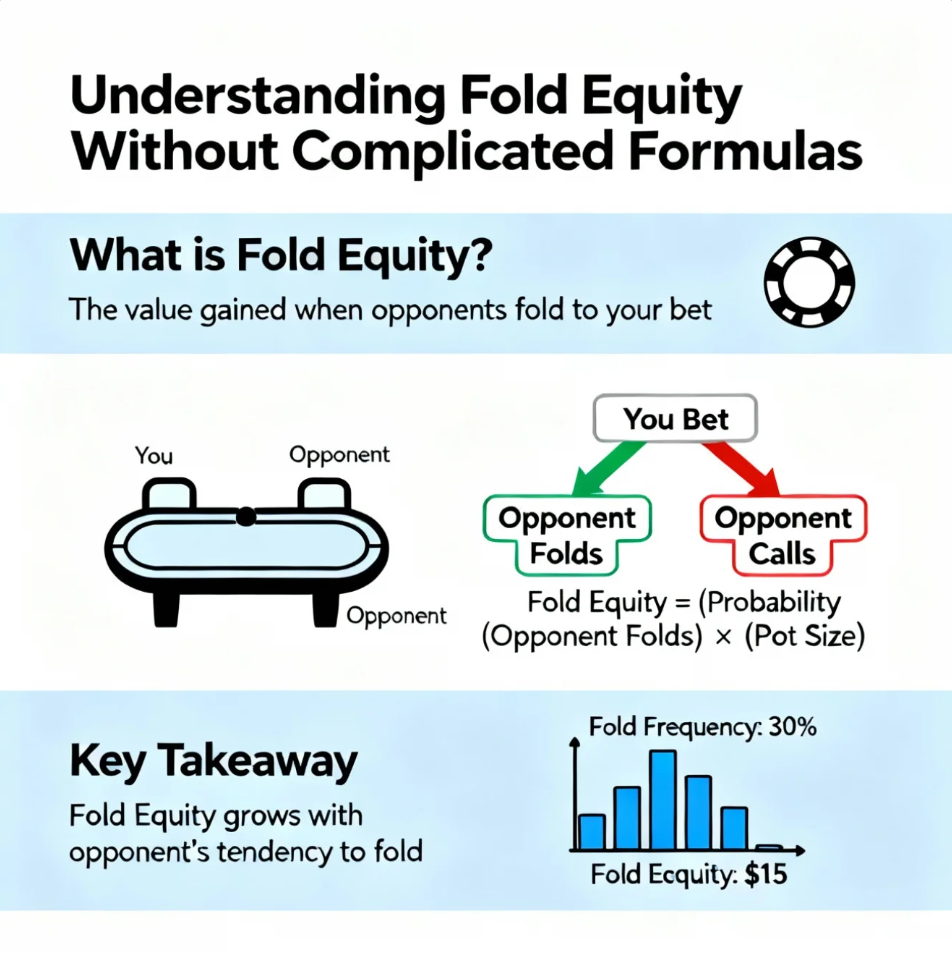
📌 When folding will leave you with too little fold equity

All-in isn’t risky — it’s strategic.


4. Observe Your Opponents

Successful short stack players pay attention to:

  • Who is tight vs. loose
  • Who folds often
  • Who respects raises

This gives you early warning signs and lets you exploit predictable behavior.


5. Protect Your Stack and Your Mindset

Short stack poker is more than cards — it’s a mental game.

✅ Avoid tilt
✅ Stay focused
✅ Think long-term
✅ Don’t chase losses

A calm mind makes better decisions in key moments.


Short-Stack Strategy in Tournaments vs Cash Games

Although the fundamentals are similar, there are differences:

📍 Tournaments

  • Blinds rise
  • You must survive or bust
  • Strategy favors aggression at the right times

📍 Cash Games

  • Blinds stay the same
  • You can reload if you lose
  • More flexibility in spot selection

Understanding your game type can dramatically improve results.


Final Thoughts: Thriving with Fewer Chips

A short stack doesn’t mean defeat.
With smart decisions, strong timing, and careful reads, you can:
✅ Win pots
✅ Apply pressure
✅ Move up the leaderboard

Short-stack strategy is a skill, and mastering it will make you a stronger poker player.

Poker tournament player analyzing ICM decisions with chip stacks on the table

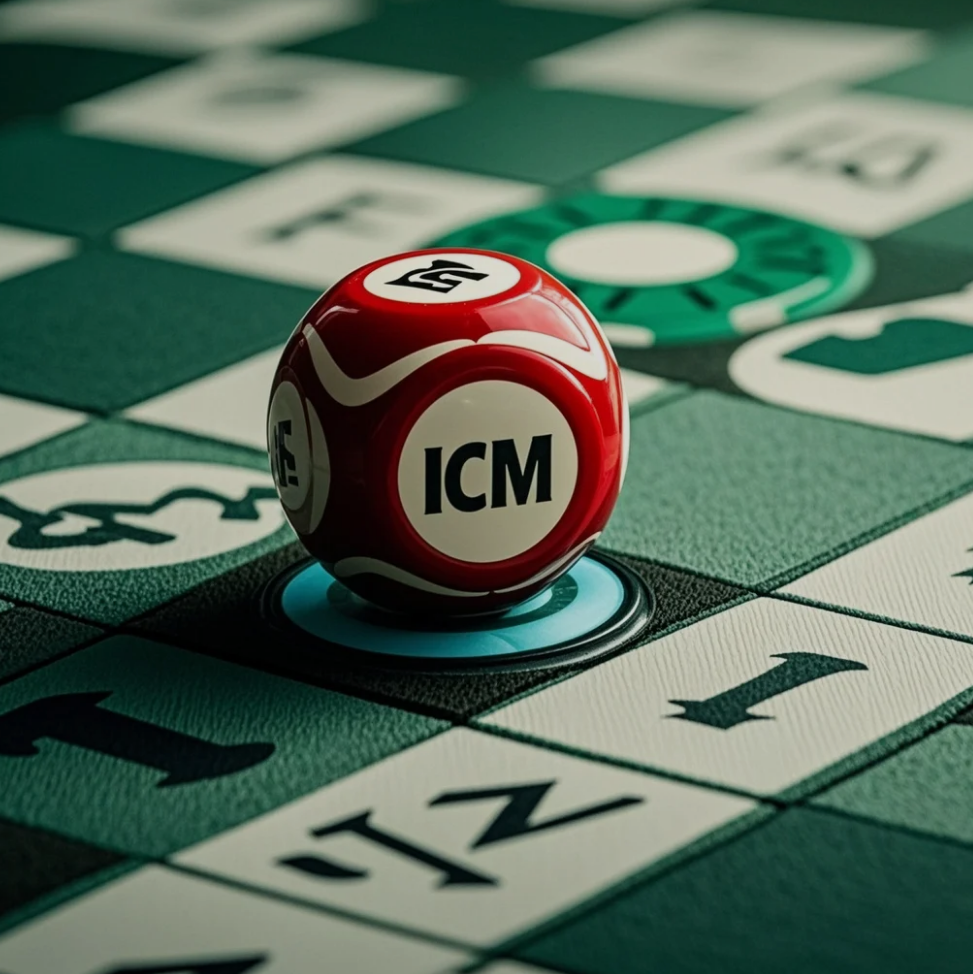
ICM Explained: The Tournament Strategy Every Player Must Learn

In poker tournaments, skill alone isn’t enough — understanding ICM (Independent Chip Model) is essential for making profitable decisions. ICM quantifies the real value of your chip stack based on payout structures, helping you choose when to apply pressure, when to fold, and when to avoid unnecessary risks.

Whether you’re a beginner or an experienced grinder, mastering ICM dramatically improves your ability to survive, climb payout ladders, and maximize expected value.


1. What Is ICM?

ICM is a mathematical model used in tournament poker that:

  • Assigns a monetary value to your current chip stack
  • Considers the payout structure of the tournament
  • Helps determine how much risk you should take
  • Focuses on survival equity, not just chip accumulation

Unlike cash games, where every chip has the same value, ICM shows that tournament chips increase in value as you get closer to the money.


2. Why Is ICM Critical in Tournaments?

ICM becomes crucial in scenarios such as:

  • Final tables
  • Bubble stages
  • Short-handed play
  • Pay jumps

In these situations, a bad decision can cost you significant equity, even if you lose a small number of chips.

ICM teaches players to avoid high-variance plays when pay jumps are big, and to pressure opponents who are afraid of busting.


3. Key ICM Concepts Players Must Understand

• Stack Preservation

Survival matters more than accumulating chips recklessly. Medium stacks often benefit most from playing tight and avoiding confrontations with big stacks.

• Pressure Dynamics

Big stacks gain power under ICM:

  • They can attack medium stacks
  • They force tight folds
  • They dictate the pace of play

• Risk Premium

ICM increases the “cost of losing” for certain players, making them fold hands they would normally call in a cash game.

• Pay Jumps

As payouts climb, every decision becomes more valuable. One fold can be worth hundreds or thousands in real equity.

4. Common Mistakes Players Make With ICM

  • Calling too wide against big-stack shoves
  • Shoving too loose as a medium stack on the bubble
  • Overestimating hand strength without considering payout pressure
  • Failing to adjust your range based on stack distribution

Avoiding these mistakes immediately boosts your long-term tournament ROI.


5. How to Apply ICM in Real Tournament Scenarios

Final Table Example

As a medium stack, avoid marginal all-ins versus bigger stacks. Prioritize laddering while taking advantage of short stacks when risk is minimal.

Bubble Strategy

Short stacks should tighten up slightly, but medium stacks must play cautiously — they are at the greatest risk of losing significant equity.

Heads-Up Play

ICM becomes irrelevant heads-up because payouts are fixed; chip EV becomes the priority again.


Conclusion

Understanding ICM is one of the most important components of tournament poker strategy. By valuing chips correctly, adjusting ranges based on payout pressure, and recognizing risk dynamics, players can maximize equity, reduce costly mistakes, and dramatically increase their long-term profitability.

If you want to succeed in modern tournament play, ICM is not optional — it’s essential.

Symbolic cards of Arcane Fortune guiding an individual through life changes

Transform Your Journey: Using Arcane Fortune to Navigate Major Life Shifts

Life is full of transitions — from career changes and personal growth to relationships and unexpected challenges. Arcane Fortune, a tool rooted in symbolism and intuition, offers guidance to help individuals understand their current path and make informed choices.

This article explores how using Arcane Fortune can support personal transformation, provide clarity during uncertainty, and empower meaningful decision-making.


1. Understanding Arcane Fortune

Arcane Fortune uses symbolic cards or frameworks that reflect universal archetypes and life patterns:

  • Each card represents energies, challenges, and opportunities
  • Helps individuals explore subconscious thoughts and emotions
  • Encourages reflection on current circumstances and future possibilities

By understanding the symbolism, users gain a map for navigating complex life situations.


2. Identifying Major Life Shifts

Life shifts can manifest as:

  • Career transitions or new professional opportunities
  • Relocation or major lifestyle changes
  • Relationship beginnings or endings
  • Personal development and spiritual growth

Arcane Fortune helps identify patterns and insights related to these shifts, allowing users to approach change with awareness.


3. Gaining Clarity Through Symbolism

Using Arcane Fortune encourages self-reflection and intuitive thinking:

  • Interpret card meanings in the context of personal challenges
  • Recognize recurring themes or obstacles
  • Identify hidden strengths and untapped potential

Symbolism provides a lens through which individuals can see their journey more clearly and make intentional choices.


4. Making Informed Decisions

Arcane Fortune is not about predicting the future — it’s about empowering action:

  • Assess potential outcomes of decisions
  • Consider emotional, practical, and ethical factors
  • Explore alternative paths before committing

By combining intuition with reflection, users can navigate life transitions with confidence.

5. Incorporating Arcane Fortune Into Daily Life

For maximum impact, integrate Arcane Fortune into everyday practices:

  • Morning or evening reflection sessions
  • Journaling insights from card readings
  • Meditation or visualization exercises
  • Sharing insights with mentors or trusted advisors

Regular use builds self-awareness and resilience, supporting long-term personal growth.


Conclusion

Arcane Fortune provides a structured yet intuitive approach to understanding and navigating major life shifts. By engaging with symbolism, reflection, and insight, individuals can transform uncertainty into clarity, challenges into opportunities, and decisions into purposeful action.

Whether facing career changes, relationship transitions, or personal growth, Arcane Fortune can be a valuable guide on the journey of life.