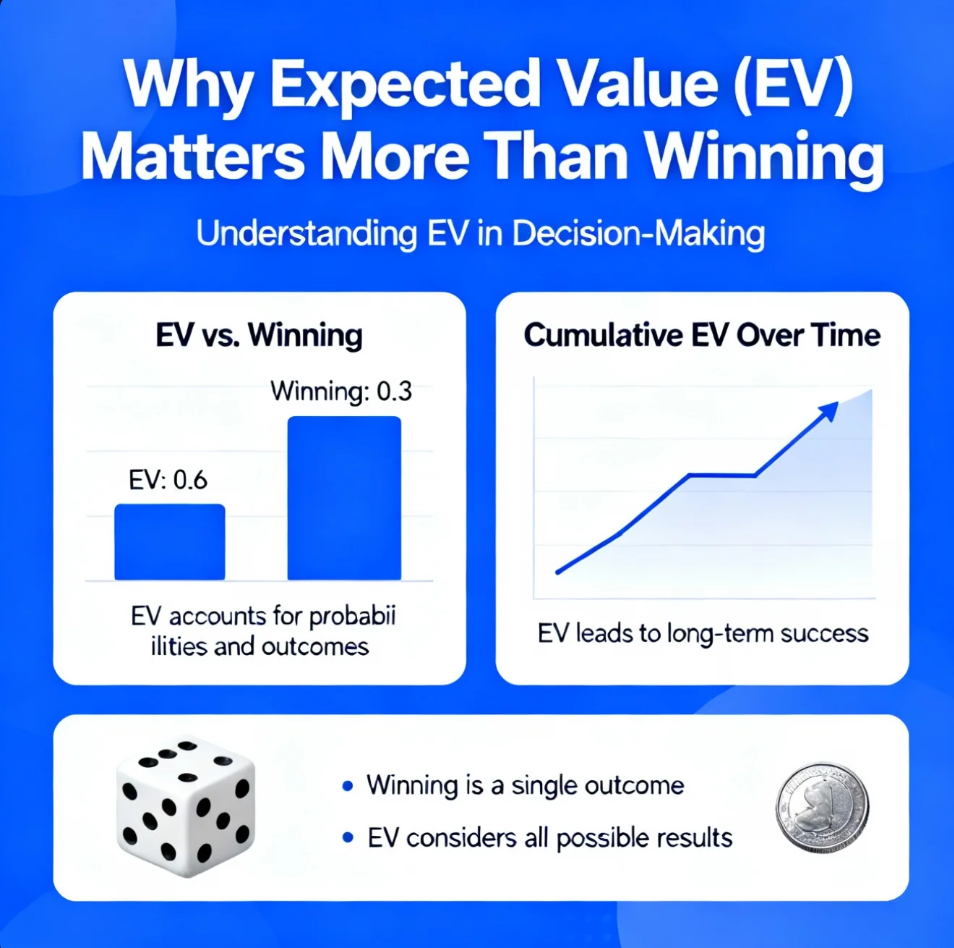
Why Expected Value (EV) Matters More Than Winning
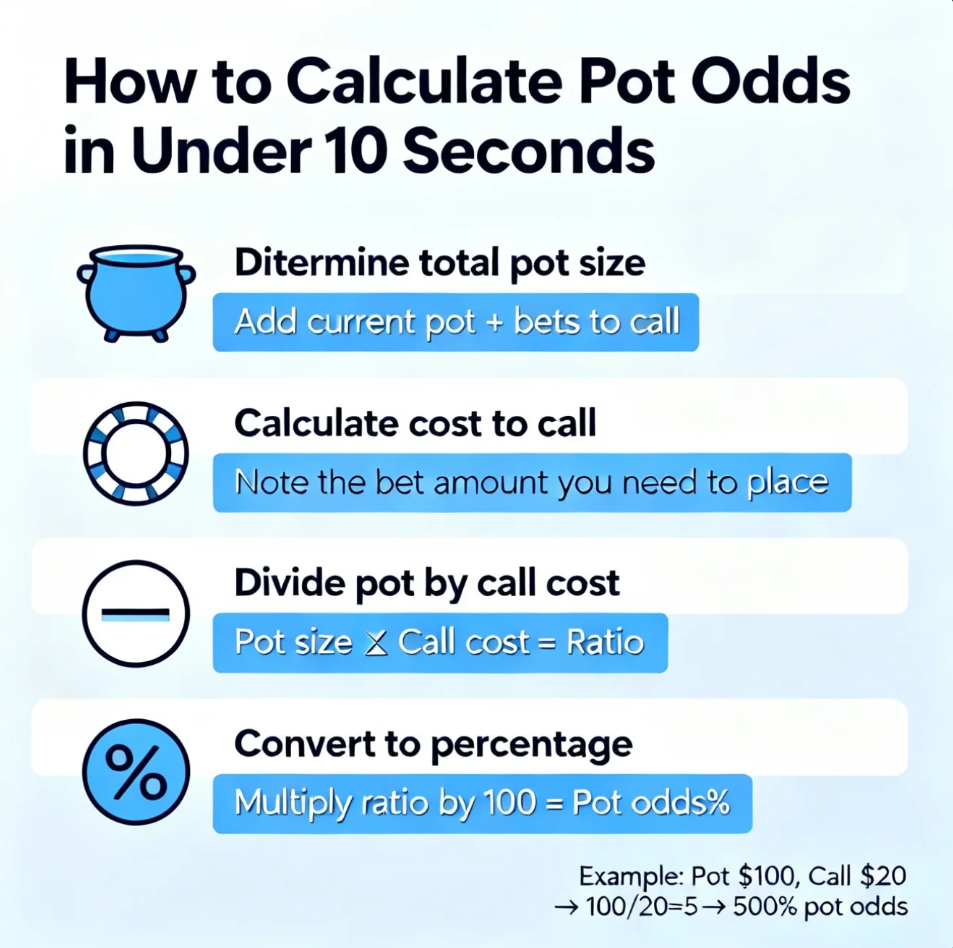
How to Calculate Pot Odds in Under 10 Seconds
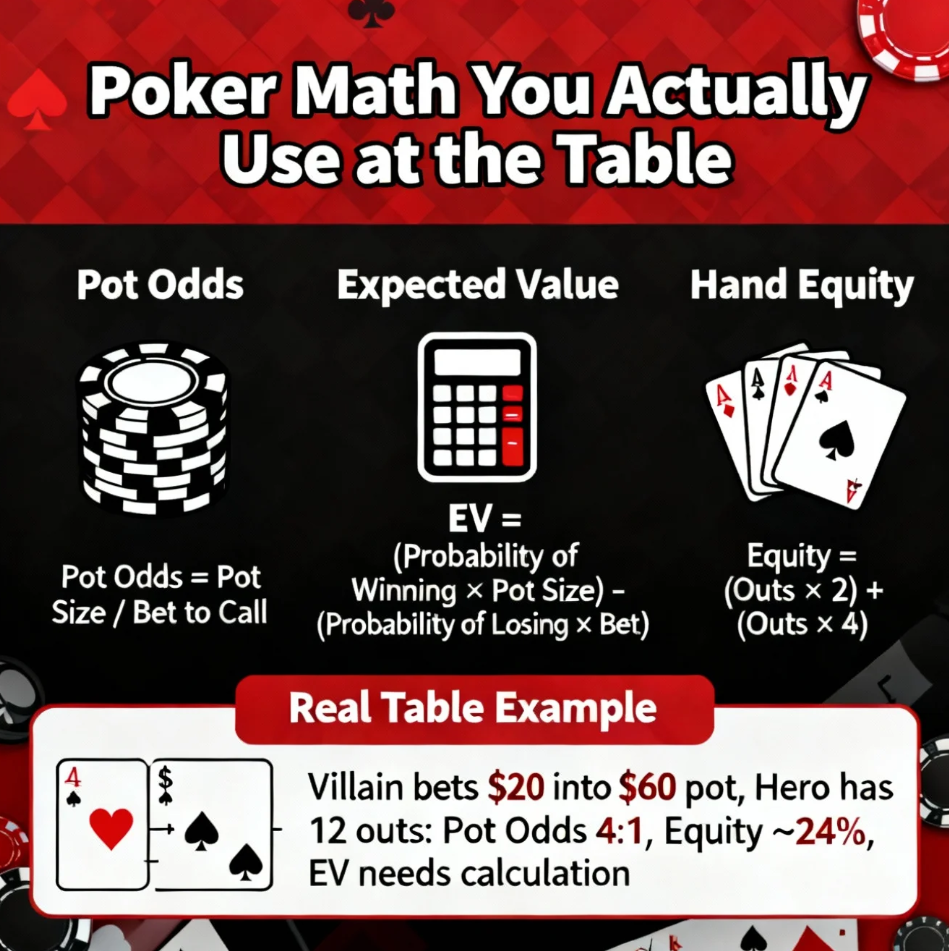
Poker Math You Actually Use at the Table
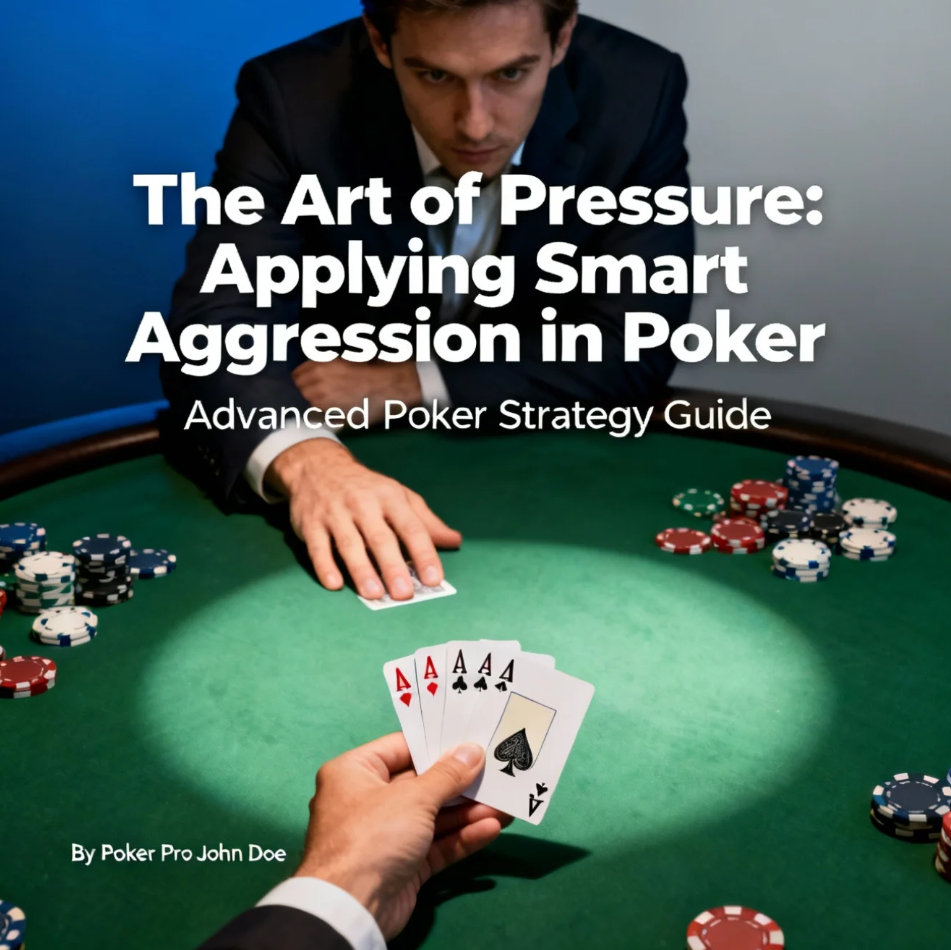
The Art of Pressure: Applying Smart Aggression in Poker
In poker, success isn’t just about the cards you hold—it’s about how you play them. Smart aggression in poker is the strategy of applying pressure at the right time, forcing opponents into mistakes while protecting your own position. Unlike reckless play, smart aggression is deliberate, controlled, and calculated, giving you a competitive edge at the table.
What Is Smart Aggression?
Smart aggression is more than betting big or bluffing often—it’s a thoughtful approach to influencing opponents’ decisions. By strategically increasing bets and raising at critical moments, you can dictate the pace of the game, make opponents uncomfortable, and capitalize on opportunities when they hesitate or fold.
Key Principles of Applying Pressure
- Timing Is Everything: Know when to apply pressure and when to play cautiously.
- Position Matters: Aggression is most effective from late positions where you can see how others act first.
- Reading Opponents: Observe betting patterns, body language, and tendencies to maximize impact.
- Controlled Risk: Aggression should be calculated, not reckless; overextending can backfire.
Benefits of Smart Aggression
- Forces Mistakes: Opponents may fold strong hands or make impulsive calls.
- Builds Table Image: Establishing a reputation as a strong, aggressive player can intimidate opponents.
- Maximizes Value: Strong hands played aggressively extract higher pots.
- Psychological Edge: Consistent pressure can shift the mental game in your favor.
Integrating Smart Aggression Into Your Game
- Start with small, consistent raises to test opponents.
- Observe reactions carefully—adapt your aggression style based on their tendencies.
- Combine aggression with selective bluffs to keep opponents guessing.
- Avoid predictability; smart aggression is fluid and responsive, not robotic.
Conclusion
Mastering smart aggression in poker isn’t about overpowering every hand—it’s about strategic pressure, psychological insight, and precise timing. Players who can apply this art effectively gain control of the table, induce mistakes, and turn potential hands into winning opportunities.
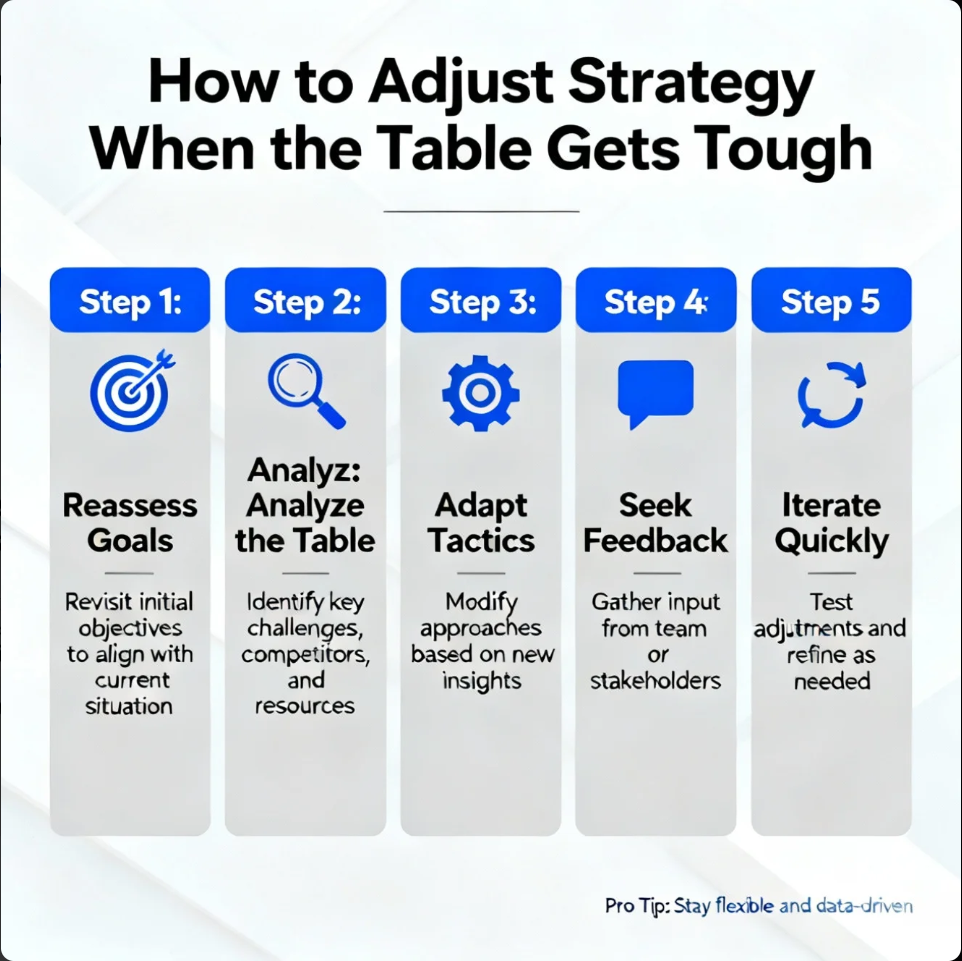
How to Adjust Strategy When the Table Gets Tough
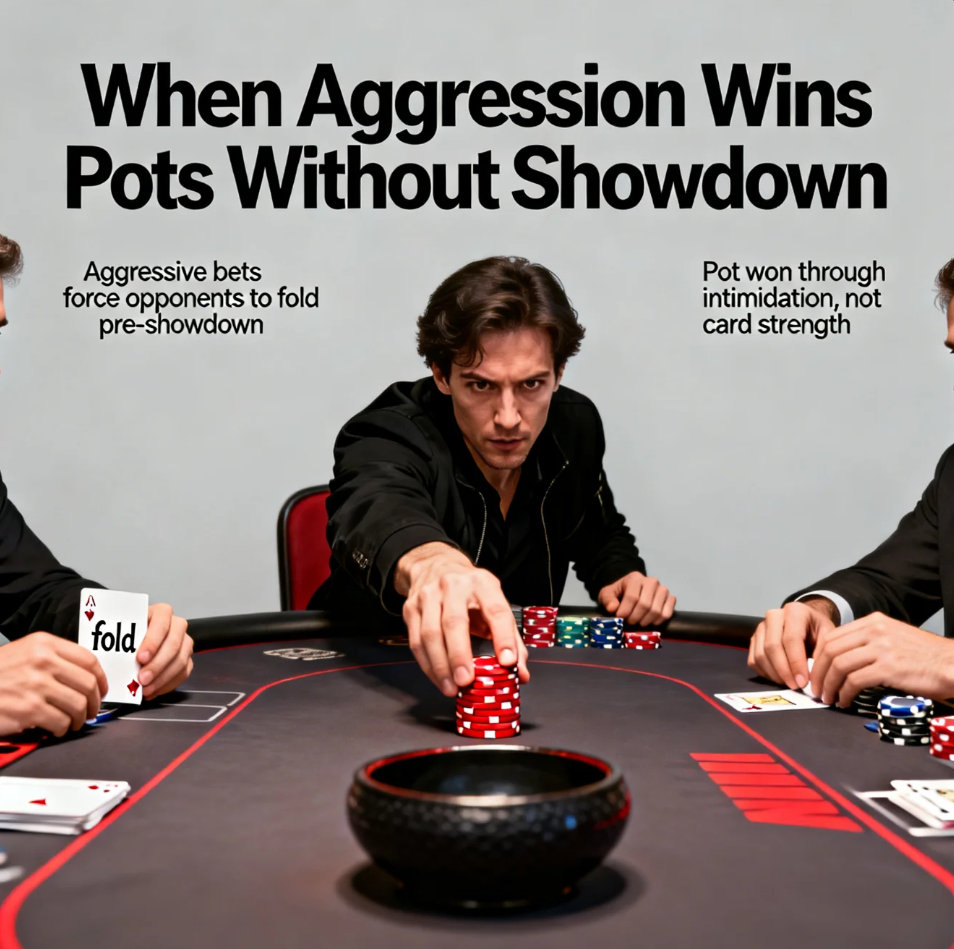
When Aggression Wins Pots Without Showdown
In poker, winning isn’t always about having the best hand at the table. Skilled players know that aggression can secure pots without ever reaching a showdown. By applying strategic pressure, well-timed bets, and calculated raises, you can make opponents fold better hands and claim pots without revealing your cards.
Understanding when and how to use aggression is key to long-term success.
The Psychology of Aggression
Aggression in poker isn’t reckless—it’s strategic. It leverages:
- Fear: Opponents fold to avoid risk
- Uncertainty: Strong bets make them question their holdings
- Perceived dominance: Consistent aggression projects confidence
Players who respect your table image are more likely to fold, giving you pots without contest.
Key Situations to Apply Aggression
- Stealing Blinds and Antes
- Early or late position bets can take small pots uncontested.
- Aggressive raises pressure tight players to fold marginal hands.
- Continuation Bets (C-Bets)
- After raising pre-flop, a c-bet on the flop maintains initiative.
- Works especially on dry boards where opponents have missed draws.
- Exploiting Passive Opponents
- Passive players call too often and fold under pressure.
- Strategic aggression exploits their reluctance to commit chips.
- Bluffing with Board Texture in Mind
- Favorable textures (e.g., low, uncoordinated boards) increase fold probability.
- Aggression communicates strength and discourages calls.
Position and Aggression
Position amplifies the power of aggression:
- Acting last lets you observe opponents’ reactions before committing chips.
- Aggressive plays in late position can steal pots while controlling risk.
- Early-position aggression requires stronger hands but sets the tone for table dynamics.
Balancing Aggression with Risk Management
Aggression is powerful but must be calibrated. Key considerations:
- Stack sizes: Avoid overcommitting against deep stacks unnecessarily.
- Opponent tendencies: Know who will fold versus who will call or raise.
- Table image: Over-aggression can backfire if opponents adjust.
The goal is profitability, not aggression for its own sake.
Benefits of Winning Without Showdown
- Conserves chips while minimizing risk
- Builds table image and psychological leverage
- Forces opponents to play reactively
- Increases win rate over the long term
Winning uncontested pots is a cornerstone of modern, winning poker strategy.
Final Thoughts
Aggression in poker is more than betting—it’s a tool to control the table, shape opponents’ decisions, and win pots without revealing your hand. By understanding timing, position, opponent tendencies, and board textures, you can maximize profits while minimizing risk.
In poker, the smartest victories are often the ones your opponents never see coming.
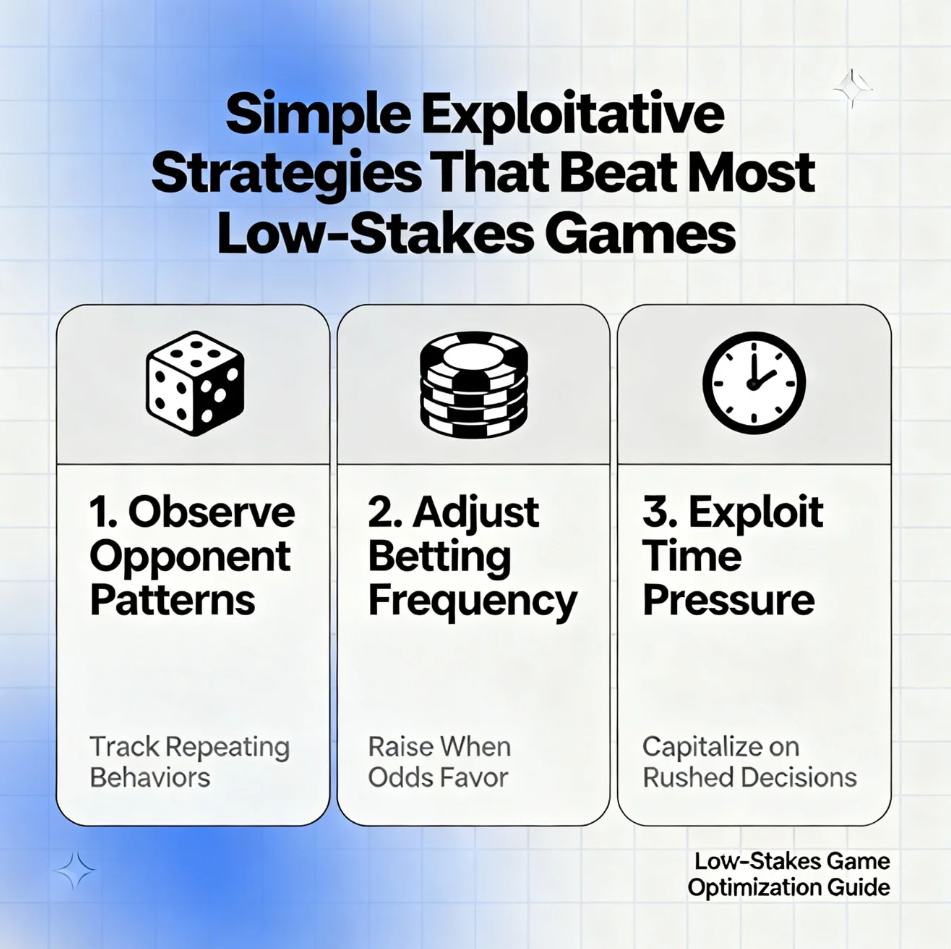
Simple Exploitative Strategies That Beat Most Low‑Stakes Games
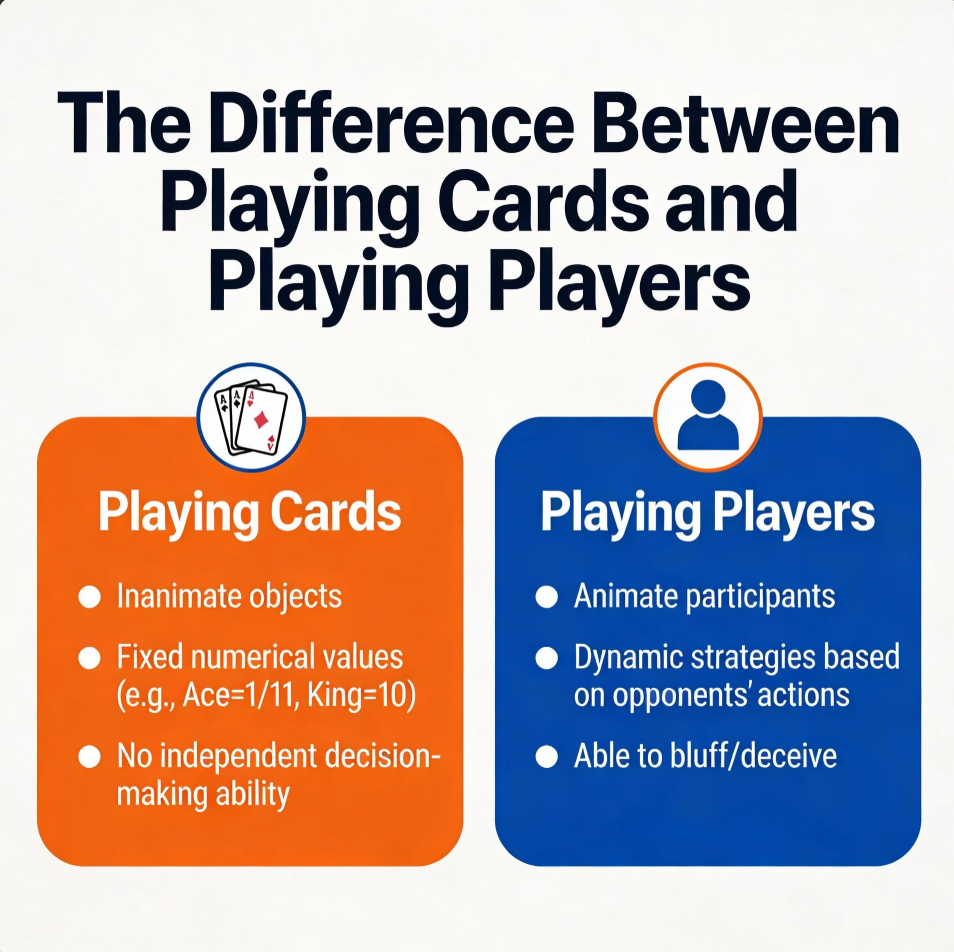
The Difference Between Playing Cards and Playing Players
In poker, winning isn’t just about the hands you hold—it’s about understanding who you’re up against. The distinction between playing cards and playing players is crucial, and mastering it separates casual participants from skilled strategists.
Let’s explore why focusing on the people at the table can be as important as the cards in your hand.
Playing Cards: The Basics
“Playing cards” refers to the straightforward approach of making decisions based solely on the hand you’re dealt.
Key principles include:
- Understanding hand rankings
- Calculating odds and probabilities
- Recognizing potential draws and combinations
This strategy is foundational, but it’s reactive—relying only on what is visible rather than anticipating opponents’ behavior.
Playing Players: The Strategic Edge
“Playing players” takes poker to the next level. Here, success comes from reading opponents, predicting patterns, and leveraging psychology.
Elements of playing players:
- Observing betting patterns and timing
- Recognizing tells and behavioral cues
- Understanding player tendencies (aggressive, passive, tight, loose)
- Manipulating perception to induce mistakes
Essentially, you play the person more than the cards, turning the game into a mental contest.
Why Players Often Trump Cards
Even the best hand can lose if misplayed against savvy opponents. Conversely, weaker hands can win through strategic play:
- Bluffing when the table perceives strength
- Folding strong hands if an opponent shows dominance
- Adjusting tactics dynamically based on behavior
This highlights that poker is not just a numbers game—it’s a game of human insight and adaptability.
Integrating Both Approaches
Expert players combine both strategies:
- Analyze your hand: Know your odds and potential outcomes.
- Study your opponents: Gauge tendencies and reactions.
- Adjust in real-time: Modify your approach as the table dynamics shift.
Balance between cards and players creates a complete, winning strategy.
Tips for Playing Players Effectively
- Take notes on opponents’ style and past actions
- Use position advantage wisely (act after observing others)
- Vary your own betting patterns to remain unpredictable
- Stay emotionally neutral—avoid giving away tells
These habits help transform a simple card game into a high-stakes mental exercise.
Final Thoughts: Mind Over Hand
While luck gives you the cards, skill comes from playing the players. Understanding this distinction allows you to maximize every opportunity, control the table, and turn probability into strategy.
In poker, the smartest players know: the game isn’t always about the hand you hold—it’s about the people sitting across from you.